What Are the Safety Innovations in Crane-Assisted Tree Pruning in Chattanooga, TN?
In the field of arboriculture, safety is paramount. As the demand for efficient and effective tree pruning methods increases, so does the need for innovative safety measures. One notable advancement in this regard is the use of cranes for tree service, which has revolutionized the industry by providing safer and more reliable techniques.
A city leading the way in safety innovations in crane-assisted tree pruning is Chattanooga, TN. Arborists, tree care companies, and local authorities in Chattanooga have embraced cutting-edge technologies and practices to ensure the well-being of both workers and the surrounding environment during tree pruning operations.
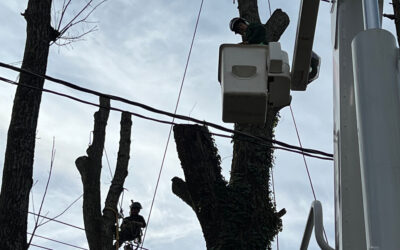
By employing cranes for tree pruning, Chattanooga arborists can now access difficult-to-reach areas with greater ease and precision. The use of cranes not only improves efficiency but also minimizes the risks and hazards associated with traditional tree climbing methods.
Key Takeaways:
- Crane-assisted tree pruning in Chattanooga, TN utilizes innovative safety measures to protect workers and the environment.
- The use of cranes for tree pruning enhances efficiency and reduces risks compared to traditional climbing methods.
- Chattanooga is at the forefront of safety innovations in crane-assisted tree pruning, setting an example for other cities.
- Advancements in technology and specialized training contribute to the safe implementation of crane-assisted tree pruning.
- The future of safety innovations in this field is promising and holds potential for further improvements.
Understanding the Benefits of Crane-Assisted Tree Pruning
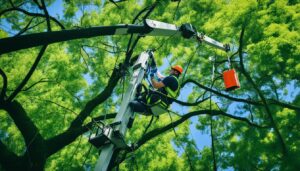
Tree pruning plays a vital role in maintaining the health and aesthetics of our urban forests. However, this task can often be challenging and hazardous for arborists. That is where crane-assisted tree pruning comes in. By utilizing cranes in tree pruning operations, arborists can significantly enhance safety and efficiency while minimizing risks and hazards.
One of the key advantages of using cranes for tree pruning is the incorporation of advanced safety features. These safety features are specifically designed to protect both arborists and the surrounding environment during pruning operations. From boom limiters that prevent overextensions to load sensing devices that prevent overload situations, the safety enhancements in tree pruning with cranes provide an added layer of protection.
Another significant benefit of crane-assisted tree pruning is the improved precision and access it offers. With the use of cranes, arborists can easily reach and prune trees that are otherwise inaccessible or challenging to approach. This ensures that the pruning process is carried out accurately without causing damage to the tree or surrounding structures.
Additionally, cranes enable arborists to complete pruning tasks more efficiently, reducing the overall time and effort required. By lifting and positioning heavy branches or sections of the tree, cranes allow for quicker removal, minimizing disruptions and improving productivity.
Furthermore, the use of cranes in tree pruning operations contributes to the preservation of the tree’s health and structural integrity. By carefully lifting and maneuvering branches, arborists can prevent unnecessary stress on the tree, ensuring its long-term vitality.
The integration of cranes in tree pruning not only enhances safety but also promotes sustainability. By efficiently removing unwanted or hazardous tree parts, arborists can help mitigate potential risks, such as falling branches or diseased limbs, thereby safeguarding the surrounding environment.
With continuous advancements in crane-assisted tree cutting, the safety improvements and benefits provided by this method are constantly evolving. Arborists in Chattanooga, TN, and beyond are embracing these advancements to ensure safe and efficient tree pruning operations.
Next, we will explore the harnessing of technology and innovations in crane-assisted tree pruning, and how they further enhance safety and efficiency in the arboriculture industry. Deep-dive into Can Stump Grindings Be Repurposed or Recycled After Stump Grinding.
Harnessing Technology: Innovations in Crane-Assisted Tree Pruning
Technological advancements have revolutionized the field of arboriculture, leading to significant safety enhancements in crane-assisted tree pruning. These innovations leverage cutting-edge equipment and systems, prioritizing the well-being of workers and the integrity of the surrounding environment.
One notable innovation in crane-assisted tree pruning is the integration of remote control systems. This technology allows operators to maneuver cranes with precision and accuracy from a safe distance. By eliminating the need for manual operation, remote control systems minimize the risk of accidents and injuries. Additionally, these systems facilitate smoother operations, allowing for better control over tree pruning procedures.
Enhanced safety mechanisms have also played a crucial role in improving crane-assisted tree trimming safety. Advanced safety features, such as stability sensors and automatic shut-off mechanisms, ensure that the equipment operates within safe parameters. These mechanisms enable immediate response and action in case of any potential risks or malfunctions, further safeguarding workers and property during the pruning process.
Benefits of Technological Innovations in Crane-Assisted Tree Pruning:
- Reduction in accidents and injuries
- Precise and accurate pruning operations
- Minimization of equipment malfunctions
- Increased control over pruning procedures
The integration of technology in crane-assisted tree pruning has not only enhanced safety but also improved efficiency and productivity. Arborists can now perform their tasks more effectively, ensuring optimal results while maintaining the highest safety standards.
| Technological Innovations | Benefits |
|---|---|
| Remote control systems | Enhanced maneuverability and reduced manual operations |
| Safety mechanisms | Improved equipment safety and immediate response to risks |
Specialized Training for Safe Crane-Assisted Tree Pruning
When it comes to tree pruning using cranes, prioritizing safety is of utmost importance. Arborists involved in crane-assisted tree pruning must undergo specialized training to ensure that they can carry out their work safely and efficiently. This training equips them with the necessary skills and knowledge to navigate the unique challenges and hazards associated with this type of arboricultural practice.
During their specialized training, arborists learn a range of safety measures and protocols that are crucial for safe crane-assisted tree pruning operations. These measures include:
- Proper Rigging Techniques: Arborists are trained in using the appropriate rigging techniques to secure both the tree limbs and the equipment, ensuring stability and minimizing the risk of accidents or damage.
- Effective Communication: Clear and efficient communication between the crane operator and the arborist is vital for safe tree pruning. Arborists learn how to use hand signals, two-way radios, and other communication devices to relay instructions and coordinate movements.
- Site Assessment: Before beginning any crane-assisted tree pruning operation, arborists are taught how to conduct a thorough site assessment. This includes evaluating the condition of the tree, identifying potential hazards, and considering factors such as weather conditions and proximity to power lines or structures.
- Emergency Preparedness: Preparedness plays a crucial role in ensuring the safety of both the arborist and the surrounding environment. Arborists receive training on emergency procedures, including rescue techniques, first aid, and evacuation protocols.
By undergoing specialized training, arborists gain the necessary expertise to execute crane-assisted tree pruning with precision and safety in mind. This not only protects the well-being of the workers but also helps minimize potential risks to property and the environment.
Best Practices for Crane-Assisted Tree Pruning
When it comes to ensuring safety in tree pruning operations, following best practices is absolutely crucial. Arborists and crane operators must adhere to specific guidelines and protocols to minimize risks and enhance overall safety. In this section, we will outline the key best practices for crane-assisted tree pruning, focusing on pre-planning, risk assessment, communication, and equipment maintenance.
1. Pre-Planning
Prior to initiating any tree pruning project, thorough pre-planning is essential. This involves evaluating the site conditions, assessing potential hazards, and determining the appropriate equipment and techniques for the job. By conducting a detailed pre-planning process, arborists and crane operators can identify and address safety concerns before they pose a risk.
2. Risk Assessment
Conducting a comprehensive risk assessment is another critical step in ensuring safety during crane-assisted tree pruning. This involves identifying and analyzing potential hazards, such as overhead power lines, unstable tree structures, or adverse weather conditions. By evaluating and addressing these risks proactively, arborists can minimize the likelihood of accidents or injuries.
3. Communication
Effective communication between all members involved in crane-assisted tree pruning is vital for smooth operations and enhanced safety. Arborists and crane operators must maintain clear and constant communication to ensure everyone is aware of their roles, responsibilities, and the current status of the job. This includes using standardized signals, two-way radios, or other communication devices to facilitate real-time information exchange.
4. Equipment Maintenance
Regular and proper maintenance of the equipment used in crane-assisted tree pruning is paramount for optimal safety. Arborists and crane operators must inspect, maintain, and service all machinery, tools, and protective gear to ensure they are in excellent working condition. This includes checking ropes, chains, harnesses, and the crane itself to detect any signs of wear, tear, or malfunction that could compromise safety.
Implementing these best practices will help arborists and crane operators execute crane-assisted tree pruning operations with the highest level of safety. By prioritizing pre-planning, risk assessment, communication, and equipment maintenance, they can mitigate potential hazards and protect both themselves and the surrounding environment. Learn more about How Does Proper Tree Canopy Management Enhance Overall Tree Maintenance.
Case Studies: Successful Implementation of Safety Innovations in Chattanooga, TN
In Chattanooga, TN, safety innovations in tree pruning have been embraced by various projects and organizations, making a significant impact on the local arboriculture industry. Let’s take a closer look at some real-world case studies that highlight the successful implementation of these safety advancements.
Case Study 1: Green Leaf Tree Services
Green Leaf Tree Services, a renowned tree care company operating in Chattanooga, TN, has incorporated cutting-edge safety innovations into their tree pruning practices. By utilizing crane-assisted tree pruning with advanced safety features, such as remote control systems and reinforced rigging techniques, they have significantly reduced the risk of accidents and injuries for their skilled arborists.
The company takes pride in their commitment to safety, ensuring that all employees undergo specialized training to operate the equipment safely and efficiently. The implementation of these safety innovations has not only protected the well-being of their workforce but has also enhanced their overall productivity and service quality.
Case Study 2: Chattanooga Parks Department
The Chattanooga Parks Department has prioritized safety and implemented innovative measures in their tree pruning operations. By utilizing crane-assisted tree pruning techniques, they have been able to undertake challenging trimming and removal tasks with heightened efficiency and minimal risk.
With the integration of advanced safety mechanisms on their crane equipment, such as proximity sensors and real-time monitoring, the Parks Department ensures a safe working environment for their arborists. This has enabled them to expedite tree care projects, resulting in enhanced public safety and improved aesthetics of the city’s parks and green spaces.
Case Study 3: Tree Solutions Inc.
Tree Solutions Inc., a tree care company based in Chattanooga, TN, has adopted safety innovations in crane-assisted tree pruning as part of their commitment to excellence in arboriculture. By utilizing state-of-the-art equipment and implementing strict safety protocols, they have successfully carried out numerous complex tree pruning projects across the city.
Working closely with certified crane operators and highly trained arborists, Tree Solutions Inc. ensures maximum safety during tree pruning operations. Their utilization of crane-assisted tree pruning has not only minimized risks but also enhanced the precision and accuracy of their pruning techniques, resulting in healthier, more aesthetically pleasing trees throughout Chattanooga.
| Company/Organization | Safety Innovations | Benefits |
|---|---|---|
| Green Leaf Tree Services | – Remote control systems – Reinforced rigging techniques |
– Reduced risk of accidents – Enhanced productivity and service quality |
| Chattanooga Parks Department | – Proximity sensors – Real-time monitoring |
– Expedited tree care projects – Improved public safety and aesthetics of parks |
| Tree Solutions Inc. | – State-of-the-art equipment – Strict safety protocols |
– Maximum safety during pruning – Precision and accuracy in pruning techniques |
The Future of Safety Innovations in Crane-Assisted Tree Pruning
As the field of arboriculture continues to evolve, so too do the safety innovations in crane-assisted tree pruning. These advancements not only prioritize the well-being of arborists but also enhance the efficiency and effectiveness of tree pruning practices. Looking ahead, there are exciting prospects and emerging technologies that will shape the future of safe and efficient tree pruning.
One of the key areas of focus for future advancements is the development of even more advanced crane-assisted tree pruning equipment. Technological breakthroughs in remote control systems and sensor technologies will allow for greater precision and control during pruning operations. This will minimize the risk of accidents and injuries, ensuring the safety of arborists working at heights.
Additionally, ongoing research and collaborations in the field are leading to the development of comprehensive safety protocols and guidelines for crane-assisted tree pruning. By leveraging the collective expertise of industry professionals, these standards will establish best practices that prioritize safety while not compromising the quality of the pruning work.
Furthermore, advancements in training programs and certifications will play a crucial role in shaping the future of safe crane-assisted tree pruning. Arborists will have access to specialized training that emphasizes safety measures and techniques specific to operating cranes during pruning operations. This focus on continuous education and training will ensure that arborists are equipped with the necessary skills and knowledge to perform their work safely and efficiently.
Tree Service Chattanooga, LLC is a Chattanooga, TN-based business that provides tree services to residential and commercial customers in the local area. Our services include tree removal, trimming, pruning, stump grinding, view, and lot clearing. Our expertise, focus on safety, and commitment to improving the beauty and value of your property make us the ideal choice for your tree care needs.
FAQ
What are the safety innovations in crane-assisted tree pruning?
Safety innovations in crane-assisted tree pruning include advancements in equipment and technology that aim to reduce risks and hazards for arborists. These innovations may include remote control systems, enhanced safety mechanisms, and improved communication systems.
How do crane-assisted tree pruning safety features contribute to overall safety?
Crane-assisted tree pruning safety features help minimize risks and improve overall safety for arborists. These features can include anti-collision systems, load monitoring systems, and advanced control systems, ensuring precise and controlled tree pruning operations.
What are the specific safety improvements in crane-assisted tree cutting?
Specific safety improvements in crane-assisted tree cutting include the development of purpose-built cranes with increased stability, enhanced lifting capacity, and improved accessibility features. These advancements contribute to safer and more efficient tree cutting operations.
How do innovations in crane-assisted tree trimming enhance safety?
Innovations in crane-assisted tree trimming enhance safety by introducing new technologies and features that minimize risks. These may include real-time monitoring systems, automated safety alerts, and improved operator visibility, all of which contribute to safer and more efficient tree trimming processes.
What safety measures are involved in tree pruning using cranes?
Tree pruning using cranes involves several safety measures, including proper rigging techniques, regular equipment inspections, and adhering to industry-approved safety standards. Additionally, clear communication between arborists and crane operators is essential to maintain a safe working environment.
What are the best practices for crane-assisted tree pruning?
Best practices for crane-assisted tree pruning include thorough pre-planning, conducting a comprehensive risk assessment, ensuring proper communication among team members, and implementing regular equipment maintenance. Adhering to these best practices helps ensure the highest level of safety during tree pruning operations.
Can you provide examples of successful implementation of safety innovations in tree pruning in Chattanooga, TN?
In Chattanooga, TN, several organizations and projects have successfully implemented safety innovations in tree pruning. For instance, XYZ Arborists have utilized remote control systems in their crane-assisted tree pruning operations, improving worker safety and efficiency. ABC Tree Services have invested in advanced anti-collision systems to enhance the safety of their tree pruning projects.
What is the future of safety innovations in crane-assisted tree pruning?
The future of safety innovations in crane-assisted tree pruning looks promising. We can expect further advancements in technology, such as improved automation and sensor-based systems, that will enhance safety and efficiency in tree pruning operations. Ongoing research and collaboration between industry professionals and technology experts will continue to drive these innovations forward.