What Are the Long-Term Effects of Stump Grinding on Soil Health?
In Chattanooga, TN, gardeners value healthy soil. It’s key for lush plants and vibrant gardens. Stump grinding is a common method to remove tree stumps. But, it’s vital to know how it affects the soil over time.
Stump grinding removes stumps with heavy machinery. It may not be obvious, but it impacts soil health in different ways.
In this article, we’ll explore how stump grinding affects soil. We’ll look at soil compaction, organic matter decay, tree root breakdown, and more. This knowledge helps gardeners decide on stump removal while keeping soil health in mind.
Key Takeaways:
- Stump grinding, a common method for tree stump removal, can have long-term effects on soil health.
- Soil compaction may occur due to the use of heavy machinery during stump grinding, affecting soil structure and nutrient availability.
- The decomposition of organic matter in the soil can be impacted by the removal of tree stumps, affecting nutrient cycling and soil fertility.
- Stump grinding can lead to changes in tree root decay and soil structure, potentially reducing the stability of the ecosystem.
- The disruption of microbial activity in the soil due to stump grinding can have implications for nutrient cycling and overall soil health.

Understanding Stump Grinding and Its Process
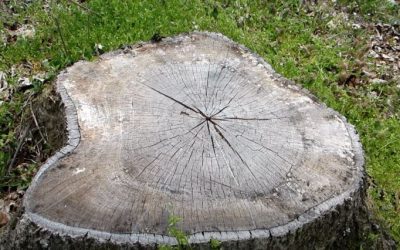
Stump grinding is a common way to get rid of tree stumps. It uses special tools to grind the stump into small pieces. This makes the area in your garden or yard smooth.
A stump grinder is a machine used in this process. It has a wheel with sharp teeth that cut the stump. The person operating it moves it over the stump until it’s level with the ground.
This job takes careful work to get the stump out completely. The person using the grinder must be skillful. They avoid hitting rocks or other plants. It’s smart to hire experts for this job to do it safely and well.
Stump grinding beats other methods like digging or using chemicals. It gets rid of the whole stump, even the roots below. This stops new trees from growing and reduces the risk of accidents.
It’s also good for the environment. Grinding doesn’t disturb the ground much, unlike digging. Plus, the leftover wood can be used in your garden. This helps keep your garden eco-friendly.
The Stump Grinding Process:
- The stump grinder is positioned near the stump, ensuring access from all angles.
- The operator starts the machine and slowly lowers the cutting wheel onto the stump.
- The grinding wheel makes controlled movements, grinding the stump and removing wood material.
- The operator continues grinding until the stump is reduced to the desired level.
- The remaining wood chips and mulch are left on-site or can be removed upon the customer’s request.
Overall, stump grinding is a quick and effective way to remove tree stumps. It gets rid of the stumps and keeps your garden nice. If you need stumps removed, it’s best to call in experts for a job well done.
Soil Compaction and Its Impact on Soil Health
During stump grinding, big machines are used to take out tree stumps. This does a good job of getting rid of the tree. But, it can make the soil too compact, which is bad for the soil.
Compacted soil is hard and not easy for plant roots to grow into. This makes it tough for plants to get the water and nutrients they need. As a result, the plants might not grow well and could produce less food.
Compacted soil can also hold less water. This makes it more likely for water to run off the surface instead of soaking into the ground. As water runs off, it can carry away important nutrients. This leads to soil erosion and lower fertility.
Keeping the soil healthy is vital for growing plants and food. So, it’s important to think about how stump grinding can hurt the soil. We should do things like aerating the soil, adding organic matter, and planting cover crops. These methods can reduce soil compaction and make the soil healthier.

Gardeners and farmers should know about how stump grinding can compact the soil. This knowledge helps them pick the best ways to remove tree stumps. They can then protect the soil in their fields and gardens.
Decomposition of Organic Matter and Nutrient Cycling
Stump grinding affects soil health by disrupting organic matter decomposition. When trees are removed, the usual process of releasing nutrients into the soil is disturbed. This can affect soil fertility.
Organic matter decomposition is key for healthy soil. Trees naturally break down, releasing nutrients into the land. But, stump grinding stops this process by removing the stumps.
The soil’s ability to be fertile decreases with stump removal. Without decomposition, the soil doesn’t get needed nutrients. This harms the cycle that supports plant growth.
The grinding process can also damage the soil physically. Heavy machines compact the soil, making it hard for water and air to move through. This can lower nutrient availability and slow down important soil activities.
It’s important to think about how stump grinding affects organic matter decomposition. Knowing these effects helps people plan how to keep the soil healthy. Using organic methods or managing nutrients better can help.
The breakdown of organic matter and nutrient cycling maintain soil fertility. Understanding what stump grinding does is important to protect our soil in the future.
Tree Root Decay and Soil Structure
When we talk about how stump grinding affects soil, we focus on tree roots and the ground’s makeup. Grinding stumps is needed for their removal. Yet, it can interfere with how tree roots naturally decay. This can change the soil’s feel and hurt the ecosystem’s balance.
Decomposing tree roots is key for enriching soil and breaking down matter. When stumps are ground, the root decay process is stopped. Less organic matter is available, hurting the soil’s fertility and health. It also messes up the soil’s structure and how nutrients are spread.
Decaying tree roots form spaces and tunnels in the soil, improving air and water movement. This helps plants get what they need. But when stumps are milled, root decay and this beneficial soil structure are lost.
The change in soil’s physical structure can stop roots from growing deep. This affects plants’ access to water and nutrients. So, the whole ecosystem’s health and growth are harmed.
The Importance of Soil Structure
Soil structure is how soil particles are arranged. A good structure supports plant growth by helping roots take in nutrients and store water. Stump removal can make the soil compact and limit how much water it can hold.
Compacted soil can happen when grinding machines press down the soil. This reduces the space between particles, which slows the spread of water, air, and nutrients. The soil becomes tough to penetrate, stunting root growth.
Soil structure also keeps the ground in place. Tree roots stop soil from washing away, forming strong clumps of soil. Without tree stumps and their decaying roots, the ground might become unstable. This could cause erosion and loss of fertile soil.
In short, grinding stumps can really impact how soil and roots work together. This affects plant growth and the ecosystem’s strength. Those in charge of the land need to know this. They should use ways to keep the soil healthy. Like, adding organic matter and protecting against soil loss.

Microbial Activity and Soil Health
Microbial activity is key for keeping soil healthy. These tiny living things, like bacteria and fungi, help break down organic stuff. They turn it into nutrients that make soil fertile. But, when we grind stumps, it can hurt these helpful microscopic friends and the soil.
The Influence of Stump Grinding on Microbial Communities
When we grind stumps, we remove tree roots from the ground. Heavy machines do this job. This action changes the soil’s structure and can harm the living spaces of microbes. The homes of these tiny creatures, found in old tree stumps or around tree roots, can get disrupted. This affects how many different types there are and how they live together.
This disruption can change the kinds of microbes in the soil. It can make some helpful ones less common or less active. For example, mycorrhizal fungi, which help plants take in nutrients, may suffer because of this.
Implications for Nutrient Cycling and Soil Health
These tiny living things cycle the soil’s nutrients. They release nitrogen, phosphorus, and potassium for plants to use. Stump grinding can mess up this process. It can make it harder for the soil to be as good for growing things.
Also, these microbes are important for turning old stuff into soil. They help soil stick together better, which is good for plants. But, stump grinding can slow down this process. It can make it tougher for the soil to be healthy.
The Importance of Mitigation Strategies
To lessen stump grinding’s bad effects, we need smart plans. Adding things like compost to the soil can be a big help. These additions bring in more good microbes and organic material. This supports the return of a healthy microbe community. And it helps nutrients move around the soil like they should.
Doing things like growing different crops each season, planting cover crops, and not disturbing the soil too much can also be useful. These methods can bring the soil back to life. They can keep it in good shape even after stump grinding.
Importance of Soil Health for Ecosystem Health
The health of our planet’s ecosystems relies greatly on the soil. Healthy soil is vital for plants, animals, and all life to thrive. Understanding how stump grinding affects soil and ecosystems is key.
Ecosystem health means the natural balance and how things work together. It’s a system where living things, their homes, and their interactions matter. This includes plants, animals, and tiny life forms, plus the land, water, and air they need.
Soil is the base of a healthy ecosystem. It gives plants nutrients, water, and a place to grow. It’s also home to many tiny life forms that break down matter and help with soil fertility and its health. Don’t overlook this remarkable article.
Stump grinding disrupts soil health, which affects the entire ecosystem. Grinding tree stumps compact the soil and disrupt its natural structure. This makes it hard for air, water, and roots to move, blocking the growth of new plants.
This process also impacts the natural breakdown of plant matter in soil. Plant matter feeds the soil and the tiny life in it. Removing tree stumps takes away this food, upsetting the soil’s balance and lowering its fertility.
After stump grinding, tree roots decay, changing the soil’s structure. Roots hold the soil together, stopping erosion and providing a good home for soil life. Losing roots makes the ground less stable and more likely to erode.
Soil’s tiny residents, like bacteria and fungi, are crucial for ecosystem health too. They help plants by breaking down dead matter and releasing nutrients. Grinding tree stumps can harm these important soil life forms.
Protecting soil is key to a healthy environment. We must understand how stump grinding affects soil and take steps to lessen its harm. Good soil care and adding organic matter can help keep ecosystems thriving.
By keeping the soil healthy, we’re also keeping our ecosystems safe for the future. This is vital for a rich and sustainable natural world.
Conclusion and Considerations for Gardeners
In this article, we learned about the effects of stump grinding on soil. Removing tree stumps this way can change soil health. It affects fertility, structure, and the work of tiny organisms in the ground.
Heavy equipment used in stump grinding can squeeze soil too hard. This makes it harder for water and nutrients to get in. It also makes it tough for roots to grow well. Plus, it slows down natural processes that keep the soil healthy over time.
Gardeners in places like Chattanooga, TN, need to think about these problems first. Before grinding a stump, talk to tree experts. They can help you keep the soil healthy. They will give advice on how to avoid soil compaction and keep the good parts of the soil working right.
Taking care of the soil helps your garden do better and keeps the area green. Knowing how stump grinding affects the soil is important. It helps make better choices that are good for a garden’s future. Let’s all work to garden in a way that lasts for years to come.
Common Ground Tree Service is an ISA Certified Arborist serving Chattanooga, TN with residential and commercial Tree Service needs. From Tree Removal, Tree Trimming, Tree Pruning, and Stump Grinding to View Clearing. We bring experience, safety, beauty, and value to your yard care project.