What Are the Key Tips for Safe and Efficient Tree Trimming
Tree trimming is an essential part of landscaping. It’s important to take the necessary precautions to ensure your safety, as well as that of your trees. In this article, we’ll look at the key tips to keep in mind when trimming your trees.
Whether you’re a professional landscaper or a homeowner in Hixson, you should always be aware of the potential hazards of tree trimming. The following tips will help you to trim your trees safely and efficiently. Let’s take a look!
Prepare for Tree Trimming
When preparing for tree trimming, it’s important to select the right tools, identify potential hazards, and make sure safety equipment is available. Knowing which tools to use and which ones to avoid is the first step. I’d suggest investing in high-quality, reliable tools to ensure the job is done safely and correctly.
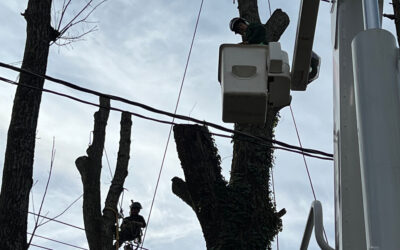
Next, it’s important to identify potential hazards like power lines, rooftops, and other nearby objects that could be damaged during the trimming process. This is especially true if you’re removing large branches. To be safe, I always mark the area around the tree with caution tape or cones.
Selecting Appropriate Tools
Now that you’ve gained an understanding of the basics of tree trimming, let’s delve into the more intricate details of the process. Selecting appropriate tools is key to completing the job safely and effectively. When selecting tools, make sure they are of good quality and in sound condition. You’ll also want to ensure that the tools are appropriate for the job at hand. For instance, using a chainsaw to trim small branches from a tree won’t be as effective as using hand pruners or loppers. Furthermore, you’ll want to ensure that all tools are properly sharpened so that they can do their job efficiently. All in all, selecting the right tools for the job is essential for a successful tree trimming.
Identifying Potential Hazards
Now that you’ve got the appropriate tools and safety equipment for tree trimming, let’s dive into identifying potential hazards. It’s important to evaluate each situation and recognize any risks associated with trees before you begin working. For example, what type of tree are you trimming? Is it near power lines? Is it in a public space?
These are all factors to take into account when assessing the risk of a given tree-trimming job. Additionally, you should be aware of the condition of the tree. Are there any broken branches or fungus present? Are there any signs of rot or disease? Moreover, you’ll want to make sure that you’re aware of the weather conditions before beginning your work.
Ensuring Safety Equipment Is Available
Now that you’ve identified potential hazards and selected the right tools, it’s time to make sure you have the right safety equipment on hand. Having the right safety equipment can make all the difference when it comes to tree trimming. Be sure to have gloves, safety glasses, and a hard hat. Even if you’re just trimming small branches, it’s important to take precautions. Accidents can happen and it’s best to be prepared. Don’t forget to wear appropriate clothing. It’s also recommended to wear long pants, and closed toe shoes. Additionally, you should have ear protection if you’re using loud power tools.
Choose the Right Trimming Technique
When choosing the right trimming technique, I need to consider a few things, such as selecting the right tool, estimating the time needed and pruning for health and beauty.
Finding the right tool for the job is key. It should be something I’m comfortable using, and should be up to the task. I also need to make sure I have the right safety gear, like gloves and eyewear.
Estimating the time needed is important too. By setting realistic goals, I’ll be able to plan my day accordingly and get the job done on time.
Selecting the Right Tool
Now that you’re ready to start trimming your trees, it’s time to select the right tool for the job. Picking the right tool for the task will ensure that you have the best results and that the job is done quickly and safely.
Before you start, you’ll need to determine what kind of pruning you plan to do. Are you primarily looking for health benefits or aesthetic appeal? This will help you decide what type of tool to use.
If you’re looking for aesthetic appeal, hand pruners or loppers are usually the best choice. Hand pruners are great for cutting small branches up to an inch in diameter. Loppers are good for cutting branches up to two inches in diameter.
Estimating the Time Needed
Alright, now that we know which trimming technique to use, let’s move on to estimating the time needed. This is an important step, as it helps to plan and schedule the project. You’ll want to factor in how much time you need to spend on trimming, hauling, and cleaning up.
It can be tricky to come up with an estimate, so if you’re unsure, don’t be afraid to reach out to a professional arborist. They can help you come up with an accurate estimation of the time needed. And, if you need to hire a service, they can also help you with that. Make sure to read this outstanding article – What Safety Measures Should You Consider During Tree Removal.
Pruning for Health and Beauty
Now that you know what tools to use and have an estimation of how long it will take you, it’s time to get to the exciting part: pruning for health and beauty. To help you decide what parts of the tree need to be pruned, you’ll want to look for any dead or diseased branches. If you see any, those should be removed first. But don’t forget to look for signs of healthy growth too! Pruning away any branches that are rubbing against each other or crossing over each other can help improve the structure of the tree and make it look more aesthetically pleasing. Additionally, you’ll want to consider the shape of the tree and prune accordingly.
Execute the Trim
Before getting started on a tree trim, it’s important to make sure you have all the necessary gear and tools. Wearing protective gear like gloves, glasses, and a hard hat is an absolute must for any tree trimming job. Additionally, using the right tools is just as important as having them. It’s critical to have the right tools for the job, such as a pole saw or a chainsaw. Finally, inspecting the tree beforehand is also essential. Make sure you check for dead or dying branches, as well as any weak spots in the trunk or limbs.
Wear Protective Gear
Now that you know the right trimming technique for your tree, it’s time to execute the trim. Before you do that, it’s important to make sure you’re wearing the right protective gear. Being well-equipped is essential to ensure your safety and the safety of those around you. So put on those safety glasses, gloves, and a hard hat. That hard hat will protect your head from falling debris, and the gloves will keep your hands safe from the sharp edges of the trimmer. Don’t forget to wear a long-sleeved shirt and pants to protect your skin from the abrasive bark and sap. Lastly, it’s a good idea to wear a face mask to avoid breathing in any dust or airborne particles.
Use the Right Tools
Now that you’ve chosen the right trimming technique, it’s time to execute the trim! To do this, you’ll need to have the right tools. Safety first! Always wear protective gear such as gloves, goggles, and closed-toe shoes. You’ll also need the right tools for the job. Pruning shears are great for small branches, and a pruning saw is great for larger ones. Make sure to use a saw with a curved blade, as it will make the cutting process much smoother. For larger trees, you may want to use a pole pruner to avoid climbing or using a ladder. Pole pruners are especially useful for removing higher branches.
Inspect the Tree Beforehand
Now that you’ve chosen the right trimming technique and gathered the right gear and tools, it’s time to inspect the tree beforehand. This is an important step you don’t want to miss, so you can make sure you’re taking the right approach with your trim. Take a look at the entire tree and take note of its health and any potential hazards. Look for signs of decay, dead branches, or any other abnormalities. If there’s any doubt about a branch, it’s best to leave it alone. This way, you won’t have to worry about taking unnecessary risks with potential hazards. You can also use this step to plan out your trim and determine the best approach.
Clean up After Trimming
Once the trimming is complete, it’s time to clean up. Pruning is essential for safety and maintaining the surroundings. I like to start by sweeping away any debris, such as leaves, twigs, and bark. After that, I’ll bag up the clippings and take them away. It’s important to protect the surroundings, so I’ll make sure to gather up any stray branches, too. Lastly, I’ll check the area for any tools that I may have left behind, to ensure safety.
Pruning
Now that the trimming is complete, it’s time to move on to pruning. Pruning is an important step in maintaining a healthy garden, as it helps keep plants strong and full of life. I always make sure to use a sharp pair of shears or loppers to make a clean cut and to remove any dead or damaged wood. It’s also important to keep an eye out for any diseased branches that may need to be removed. Pruning should be done slowly and carefully, as not to damage the surrounding foliage. With the correct pruning techniques, you’ll be able to keep your plants looking their best!
Protecting Surroundings
Now that you’ve trimmed your trees, it’s time to think about the environment around them. Protecting your surroundings is the key to maintaining a safe and healthy landscape.
When pruning your trees, it’s important to be mindful of the foliage and other plants that are close by. You don’t want to accidentally damage them or leave any stray branches that could potentially harm them. Also, be aware of any overhead power lines and other structures that could be affected by your pruning.
Remember to always use protective gear, like gloves, sunglasses, and a hard hat, when pruning your trees. Not only will it keep you safe from any potential hazards, but it will also help keep the environment around you free from any debris.
Maintaining Safety
Now that you’ve trimmed your lawn, it’s important to maintain safety. Always wear protective eyewear when using a lawnmower, trimmer, or other gardening tools. This is important for protection against debris, dust, and even flying insects. Don’t forget to wear long pants and closed-toe shoes, as well as gloves, to protect your hands and feet from cuts or scrapes. Lastly, it’s important to be mindful of the area you’re trimming. Be aware of any obstacles that could be in the way, like rocks, toys, or animals, and take the necessary steps to avoid them.
Tree trimming can be a great way to improve the look and health of your trees. If done correctly, it can help your trees thrive. To ensure the safety of yourself and your trees, it’s important to follow the key tips for safe and efficient trimming. Be sure to prepare for the trim, choose the right technique, execute the trim, and clean up after. If you follow these steps, you can rest easy knowing your tree trimming job was done correctly.
Tree Service Hixson, LLC is a local business based in Hixson, TN that offers residential and commercial tree services. Our services include tree removal, trimming, pruning, stump grinding, and view clearing. We are devoted to improving the beauty and value of your yard, prioritize safety, and draw on years of experience to be the best choice for your tree care needs.