What Are the Best Practices for Soil Rehabilitation After Stump Grinding in Chattanooga
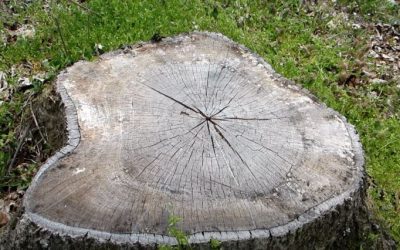
Stump grinding is a common practice in landscaping and tree removal, where the stump of a tree is ground down to below ground level. While stump grinding is an effective way to remove unsightly tree stumps, it can have a significant impact on the health of the soil. The process of grinding the stump can disrupt the soil structure and deplete nutrient levels, making it difficult for plants to thrive in the area. This is why soil rehabilitation after stump grinding is crucial for sustainable landscaping.
Soil rehabilitation involves restoring the health and fertility of the soil after it has been disturbed or damaged. In the case of stump grinding, it is necessary to address the issues caused by the process in order to create a suitable environment for healthy plant growth. By rehabilitating the soil, we can ensure that the landscape remains sustainable and supports the growth of plants in the long term.
Understanding the Impact of Stump Grinding on Soil Health
Stump grinding can have a significant impact on soil health. The process of grinding the stump can disrupt the soil structure, causing compaction and reducing its ability to hold water and nutrients. This can lead to poor drainage and nutrient deficiencies, making it difficult for plants to establish and grow.
In addition to soil structure, stump grinding can also deplete nutrient levels in the soil. When a tree is removed, its root system, which acts as a nutrient reservoir, is also removed. Grinding the stump further accelerates the decomposition process, releasing nutrients into the soil. However, this process can be uneven, resulting in nutrient imbalances that can hinder plant growth.
Addressing these issues is crucial for healthy plant growth. By rehabilitating the soil after stump grinding, we can improve its structure and replenish nutrient levels, creating a favorable environment for plants to thrive.
Importance of Soil Rehabilitation for Sustainable Landscaping
Soil rehabilitation plays a crucial role in sustainable landscaping practices. Healthy soil is the foundation of any successful landscape, as it provides the necessary nutrients and support for plant growth. By rehabilitating the soil after stump grinding, we can ensure that the landscape remains sustainable and supports the growth of plants in the long term.
Healthy soil supports sustainable landscaping practices in several ways. Firstly, it promotes water conservation by improving the soil’s ability to retain moisture. This reduces the need for excessive irrigation, which can be wasteful and detrimental to the environment.
Secondly, healthy soil supports biodiversity by providing a habitat for beneficial organisms such as earthworms, bacteria, and fungi. These organisms play a crucial role in nutrient cycling and soil fertility, helping to maintain a healthy ecosystem.
Lastly, healthy soil improves the overall aesthetics of the landscape. By rehabilitating the soil, we can create a lush and vibrant environment that enhances the beauty of the surrounding area.
Best Practices for Soil Rehabilitation After Stump Grinding
Effective soil rehabilitation after stump grinding involves several key steps. The first step is to conduct a thorough soil test and analysis to determine the current state of the soil. This will help identify any nutrient deficiencies or imbalances that need to be addressed.
Once the soil analysis is complete, the next step is to choose the right soil amendments for rehabilitation. Soil amendments such as compost, organic matter, and fertilizers can help improve soil structure and replenish nutrient levels. It is important to choose amendments that are suitable for the specific soil type and address the identified deficiencies.
After applying the necessary amendments, it is important to aerate the soil to improve its structure and reduce compaction. Soil aeration involves creating small holes in the soil to allow air, water, and nutrients to penetrate deep into the root zone. This can be done using aeration tools or by hiring a professional landscaping company.
Proper irrigation and drainage are also crucial for soil rehabilitation. Overwatering can lead to waterlogged soil, which can suffocate plant roots and promote the growth of harmful pathogens. On the other hand, inadequate drainage can lead to poor soil structure and nutrient leaching. It is important to establish a proper irrigation and drainage system to ensure the health of the rehabilitated soil.
Soil Testing and Analysis for Effective Rehabilitation
Soil testing and analysis are essential for effective soil rehabilitation after stump grinding. A soil test provides valuable information about the current state of the soil, including its pH level, nutrient levels, and organic matter content. This information helps determine the specific amendments needed to restore the soil’s health.
Soil testing involves collecting soil samples from different areas of the landscape and sending them to a laboratory for analysis. The laboratory will then provide a detailed report that includes recommendations for soil amendments based on the specific needs of the soil.
Understanding the composition of the soil is crucial for effective rehabilitation. Different soil types have different characteristics and require different amendments. For example, sandy soils have poor water-holding capacity and may require amendments that improve moisture retention, while clay soils have poor drainage and may require amendments that improve soil structure.
By conducting a thorough soil test and analysis, we can ensure that the soil rehabilitation process is tailored to the specific needs of the soil, resulting in healthier and more productive landscapes. Read, learn, and enjoy this awesome article – How Does Regular Trimming Contribute to Overall Tree Health in Chattanooga.
Choosing the Right Soil Amendments for Rehabilitation
Choosing the right soil amendments is crucial for effective soil rehabilitation after stump grinding. Soil amendments are materials that are added to the soil to improve its structure, fertility, and overall health. There are several common soil amendments that can be used for rehabilitation, each with its own benefits.
Compost is one of the most commonly used soil amendments. It is made from decomposed organic matter such as leaves, grass clippings, and kitchen scraps. Compost improves soil structure, increases nutrient levels, and enhances moisture retention. It also provides a food source for beneficial soil organisms, promoting a healthy ecosystem.
Another common soil amendment is organic matter, such as peat moss or leaf mold. Organic matter improves soil structure, increases nutrient levels, and enhances moisture retention. It also helps to break up compacted soil and improve drainage.
Fertilizers are another important soil amendment for rehabilitation. They provide essential nutrients that may be lacking in the soil, such as nitrogen, phosphorus, and potassium. Fertilizers can be organic or synthetic, depending on personal preference and environmental considerations.
When choosing soil amendments, it is important to consider the specific needs of the soil. Factors such as soil type, nutrient deficiencies, and pH level should be taken into account. Consulting with a professional landscaper or soil scientist can help determine the best amendments for the specific soil type and condition.
Techniques for Soil Aeration and Compaction Reduction
Soil aeration and compaction reduction are important techniques for soil rehabilitation after stump grinding. Soil compaction occurs when the soil particles are pressed together, reducing pore space and limiting the movement of air, water, and nutrients. This can lead to poor drainage, nutrient deficiencies, and restricted root growth.
Soil aeration involves creating small holes in the soil to allow air, water, and nutrients to penetrate deep into the root zone. There are several techniques for soil aeration, including core aeration, spike aeration, and slicing. Core aeration involves removing small plugs of soil from the ground, while spike aeration involves poking holes in the soil with a spike or fork. Slicing involves cutting narrow slits in the soil to create channels for air and water.
Compaction reduction techniques involve loosening the compacted soil to improve its structure and promote healthy root growth. This can be done using specialized equipment such as a soil cultivator or by manually breaking up the compacted areas with a garden fork or shovel.
Both soil aeration and compaction reduction techniques are important for healthy soil structure and plant growth. By improving soil structure and reducing compaction, we can create a favorable environment for root development and nutrient uptake.
Importance of Proper Irrigation and Drainage for Soil Rehabilitation
Proper irrigation and drainage are crucial for soil rehabilitation after stump grinding. Irrigation refers to the process of applying water to the soil, while drainage refers to the removal of excess water from the soil. Both of these factors have a significant impact on soil health and plant growth.
Overwatering can lead to waterlogged soil, which can suffocate plant roots and promote the growth of harmful pathogens. It can also leach nutrients from the soil, making them unavailable to plants. On the other hand, inadequate irrigation can lead to drought stress and poor plant growth.
Proper irrigation involves providing the right amount of water at the right time. This can be achieved by monitoring soil moisture levels and adjusting irrigation schedules accordingly. It is important to avoid overwatering by allowing the soil to dry out between watering sessions.
Drainage is equally important for healthy soil. Poor drainage can lead to waterlogged soil, which can suffocate plant roots and promote the growth of harmful pathogens. It can also leach nutrients from the soil, making them unavailable to plants. To improve drainage, it may be necessary to install drainage systems such as French drains or dry wells.
By ensuring proper irrigation and drainage during soil rehabilitation, we can create a healthy and sustainable environment for plant growth.
Monitoring and Maintenance of Rehabilitated Soil
Monitoring and maintenance are important aspects of soil rehabilitation after stump grinding. Once the soil has been rehabilitated, it is important to monitor its health and make any necessary adjustments to ensure long-term success.
Regular monitoring involves observing the health and growth of plants in the rehabilitated area. Signs of nutrient deficiencies or imbalances, such as yellowing leaves or stunted growth, should be addressed promptly. It may be necessary to conduct additional soil tests to determine the cause of the issue and make appropriate amendments.
Maintenance of rehabilitated soil involves ongoing care and management. This includes regular watering, fertilizing, and weed control. It is important to follow a regular maintenance schedule to ensure the health and longevity of the rehabilitated soil.
In addition to regular maintenance, it is also important to periodically retest the soil to assess its nutrient levels and overall health. This will help identify any deficiencies or imbalances that may have developed over time and allow for timely intervention.
By monitoring and maintaining the rehabilitated soil, we can ensure its long-term health and sustainability.
Conclusion: Achieving Healthy Soil and Sustainable Landscaping Practices
In conclusion, soil rehabilitation after stump grinding is crucial for sustainable landscaping practices. Stump grinding can have a significant impact on soil health, affecting its structure and nutrient levels. By rehabilitating the soil, we can create a suitable environment for healthy plant growth and ensure the long-term sustainability of the landscape.
Effective soil rehabilitation involves several key steps, including soil testing and analysis, choosing the right soil amendments, and implementing techniques for soil aeration and compaction reduction. Proper irrigation and drainage are also crucial for healthy soil rehabilitation. Ongoing monitoring and maintenance are important for the long-term health of the rehabilitated soil.
By following these best practices, we can achieve healthy soil and promote sustainable landscaping practices. Healthy soil supports water conservation, biodiversity, and overall landscape aesthetics. By rehabilitating the soil after stump grinding, we can create a vibrant and sustainable landscape that enhances the beauty of the surrounding area.
Tree Service Chattanooga, LLC is a company based in Chattanooga, TN that provides residential and commercial tree services to local customers. Our services include tree removal, tree trimming, tree pruning, stump grinding, and view clearing. With our experience, focus on safety, and dedication to enhancing the beauty and value of your yard, we are the ideal choice for your tree care needs.