What Should Homeowners Consider for Restoring Their Yard After Tree Removal in Chattanooga
Restoring your yard after tree removal in Chattanooga is an important step in maintaining the overall health and beauty of your outdoor space. When a tree is removed, it can leave behind a void in your landscape that needs to be filled. Restoring your yard not only improves the aesthetics of your property, but it also helps prevent erosion and promotes new growth. In this article, we will discuss the importance of restoring your yard after tree removal and provide tips and guidelines for the restoration process.
The Importance of Restoring Your Yard After Tree Removal
Restoring your yard after tree removal offers several benefits. First and foremost, it improves the aesthetics of your property. A tree removal can leave behind an unsightly gap in your landscape, disrupting the overall visual appeal of your yard. By restoring your yard, you can fill in this gap with new plants and features that complement the existing landscape, creating a cohesive and attractive outdoor space.
In addition to improving aesthetics, restoring your yard also helps prevent erosion. When a tree is removed, its root system is also taken out, leaving the soil vulnerable to erosion. This can be especially problematic if you live on a slope or near a body of water. By restoring your yard with new plants and ground cover, you can help stabilize the soil and prevent erosion from occurring.
Furthermore, restoring your yard after tree removal promotes new growth. By planting new trees, shrubs, and flowers, you are providing an opportunity for nature to thrive once again. These new plants will not only enhance the beauty of your yard but also provide habitat for birds, insects, and other wildlife. Restoring your yard allows you to create a vibrant and diverse ecosystem that supports biodiversity.
Assessing the Damage: What to Look for After Tree Removal
After a tree has been removed from your yard, it is important to assess the damage that may have occurred during the removal process. One of the first things to check for is root damage. When a tree is uprooted, it can cause damage to the surrounding soil and vegetation. Look for signs of soil compaction, such as hard or compacted soil, as this can hinder the growth of new plants.
Another thing to look for is any damage to existing structures or hardscaping. The removal process can sometimes cause damage to fences, walkways, or other features in your yard. Assess the extent of the damage and make any necessary repairs before proceeding with the restoration process.
It is also important to check for any underground utilities that may have been affected during the tree removal. Contact your local utility companies to mark any underground lines before you begin digging or planting in your yard. This will help prevent any accidents or damage to utility lines.
Planning Your Restoration Project: Factors to Consider
Before you begin restoring your yard, it is important to take some time to plan out your project. Consider the size of your yard and the amount of sunlight it receives. This will help you determine what types of plants will thrive in your space. If you have a small yard with limited sunlight, you may need to choose shade-tolerant plants. On the other hand, if you have a large yard with plenty of sunlight, you can choose a wider variety of plants.
Another factor to consider is your budget. Restoring your yard can be a costly endeavor, especially if you are planning on planting a large number of trees and shrubs. Determine how much you are willing to spend on your restoration project and prioritize your expenses accordingly.
Additionally, consider the long-term maintenance requirements of the plants you choose. Some plants may require more care and attention than others. If you have limited time or resources for maintenance, choose low-maintenance plants that are well-suited to your climate and soil conditions.
Choosing the Right Plants for Your Restored Yard
Choosing the right plants for your restored yard is crucial to the success of your project. Consider the climate and soil type in Chattanooga when selecting plants. Native plants are often a good choice, as they are well-adapted to the local conditions and require less maintenance.
When choosing trees, consider their mature size and growth rate. You don’t want to plant a tree that will outgrow its space or become a nuisance in the future. Look for trees that have a strong structure and are resistant to pests and diseases.
For shrubs and flowers, choose varieties that will provide color and interest throughout the year. Consider the bloom time, foliage color, and overall growth habit of the plants. Aim for a mix of evergreen and deciduous plants to provide year-round interest in your yard.
Soil Preparation: How to Get Your Yard Ready for New Growth
Preparing your soil is an important step in restoring your yard after tree removal. Start by testing the pH level of your soil. Most plants prefer a slightly acidic to neutral pH level. If your soil is too acidic or alkaline, you may need to amend it with lime or sulfur to bring it into the optimal range.
Next, assess the texture and structure of your soil. If it is compacted or heavy clay, you may need to improve its drainage and aeration by adding organic matter such as compost or well-rotted manure. This will help create a healthy growing environment for your new plants.
Before planting, remove any debris or rocks from the soil surface. This will help prevent weed growth and make it easier for your new plants to establish their roots. Loosen the soil with a garden fork or tiller to improve its structure and create pockets for water and air.
Watering and Irrigation: Ensuring Your Plants Thrive
Proper watering and irrigation are essential for the success of your restored yard. Newly planted trees, shrubs, and flowers require regular watering to establish their roots. Water deeply and infrequently to encourage deep root growth. Avoid shallow watering, as this can lead to weak and shallow roots.
Consider using a drip irrigation system to deliver water directly to the root zone of your plants. This is a more efficient method of watering and helps prevent water waste. Monitor soil moisture levels regularly and adjust your watering schedule accordingly.
During periods of drought or extreme heat, you may need to supplement your watering with additional irrigation. Use a sprinkler or hose to provide supplemental water to your plants. Be sure to water early in the morning or late in the evening to minimize evaporation.
Mulching: Benefits and Best Practices
Mulching is an important step in restoring your yard after tree removal. Mulch helps conserve moisture, suppress weeds, and regulate soil temperature. It also adds organic matter to the soil as it breaks down, improving its fertility and structure.
When applying mulch, spread it evenly around the base of your plants, leaving a small gap around the trunk or stem. Avoid piling mulch up against the plant, as this can lead to rot and disease. Aim for a depth of 2-4 inches of mulch, taking care not to bury the crown of the plant.
Choose organic mulch materials such as wood chips, straw, or shredded leaves. These materials break down slowly and provide nutrients to the soil over time. Avoid using synthetic mulches such as rubber or plastic, as they do not provide the same benefits as organic mulch.
Pruning and Maintenance: Keeping Your Yard Healthy
Pruning and maintenance are essential for keeping your restored yard healthy and thriving. Regular pruning helps maintain the shape and structure of your trees and shrubs. It also promotes air circulation and sunlight penetration, reducing the risk of disease.
When pruning trees, remove any dead or diseased branches first. Then, thin out the canopy to allow more light to reach the interior of the tree. Avoid topping or excessive pruning, as this can weaken the tree and make it more susceptible to pests and diseases.
For shrubs, prune them after they have finished flowering. Remove any dead or damaged branches and shape the shrub as desired. Avoid pruning too late in the season, as this can remove next year’s flower buds.
In addition to pruning, regular maintenance tasks such as fertilizing, weeding, and pest control are important for keeping your yard healthy. Follow the recommended fertilization schedule for your plants and use organic fertilizers whenever possible. Weed regularly to prevent competition for nutrients and water. Monitor your plants for pests and diseases and take appropriate action if necessary. Discover more about What Are the Best Tree Mulching Techniques to Enhance Tree Maintenance in Chattanooga.
Dealing with Stumps: Options for Removal or Incorporation
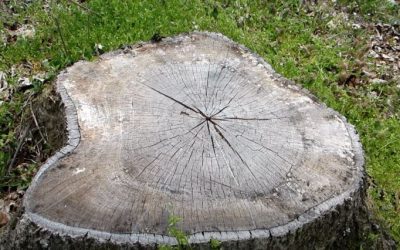
After a tree has been removed, you are left with a stump in your yard. There are several options for dealing with stumps, depending on your preferences and budget. One option is to have the stump ground down by a professional tree service. Stump grinding involves using a machine to grind the stump into small wood chips, which can then be used as mulch or removed from your property.
Another option is to incorporate the stump into your yard’s design. You can turn it into a decorative feature by carving it into a sculpture or using it as a base for a planter or bird bath. This can add visual interest to your yard and create a unique focal point.
If you choose to leave the stump as is, be aware that it may decay over time and attract pests such as termites or carpenter ants. Monitor the stump regularly and take appropriate action if you notice any signs of decay or infestation.
Hiring a Professional: When to Seek Expert Help
While restoring your yard after tree removal is a rewarding DIY project, there are times when it may be necessary to seek expert help. If you have a large-scale restoration project or lack the necessary skills or equipment, it may be best to hire a professional tree service or landscaper.
A professional can help assess the damage to your yard, plan and design the restoration project, and provide expert advice on plant selection and care. They also have the necessary tools and equipment to safely remove stumps, prune trees, and perform other tasks.
When hiring a professional, be sure to do your research and choose a reputable company with experience in tree removal and restoration. Ask for references and check online reviews to ensure you are hiring a qualified and reliable contractor.
Enjoying the Fruits of Your Labor: Tips for Maintaining Your Restored Yard
Once your yard has been restored, it is important to maintain it properly to ensure its long-term health and beauty. Regular watering is essential, especially during dry periods or hot weather. Monitor soil moisture levels and adjust your watering schedule as needed.
Fertilize your plants regularly to provide them with the nutrients they need to thrive. Use organic fertilizers that are appropriate for the specific needs of your plants. Follow the recommended application rates and timing for best results.
Prune your trees and shrubs as needed to maintain their shape and structure. Remove any dead or diseased branches promptly to prevent the spread of disease. Monitor your plants for pests and diseases and take appropriate action if necessary.
Weed regularly to prevent competition for nutrients and water. Mulch your plants to suppress weeds and conserve moisture. Monitor your mulch layer regularly and replenish it as needed.
Restoring your yard after tree removal in Chattanooga is an important step in maintaining the overall health and beauty of your outdoor space. By restoring your yard, you can improve aesthetics, prevent erosion, and promote new growth. Assess the damage to your yard after tree removal, plan your restoration project carefully, and choose the right plants for your space. Prepare your soil properly, water and irrigate your plants correctly, and mulch your yard to conserve moisture. Prune and maintain your yard regularly to keep it healthy, and consider options for dealing with stumps. If necessary, seek professional help for large-scale projects or if you lack the necessary skills or equipment. Finally, enjoy the fruits of your labor by maintaining your restored yard properly.
Tree Service Chattanooga, LLC is a Chattanooga-based company that provides residential and commercial tree care services. We can help you with tree removal, trimming, pruning, stump grinding, and view clearing. Our team is experienced and dedicated to safety and making your property look its best. We are the ideal choice for all your tree care needs.