What Does Training for Crane Operators in Arboriculture Typically Involve in Hixson
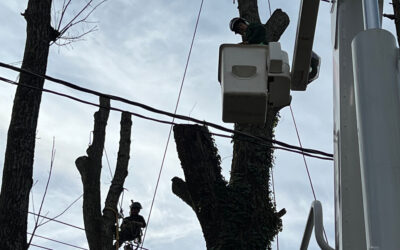
Crane operators play a crucial role in the field of arboriculture, which involves the cultivation, management, and study of trees. These skilled professionals are responsible for operating cranes for trees to safely lift and move heavy loads, such as tree limbs or entire trees, during pruning or removal operations. In this blog post, we will explore the importance of crane operators in arboriculture and discuss various aspects of their work, including safety, crane types and components, rigging techniques, load handling procedures, communication and signalization, tree identification and assessment, pruning and removal techniques, and maintenance and troubleshooting of crane equipment.
Introduction to Arboriculture and Crane Operations
Arboriculture is the science and practice of cultivating and managing trees. It involves various tasks such as planting, pruning, and removing trees to ensure their health, safety, and aesthetic appeal. Crane operations are an integral part of arboriculture, especially when dealing with large or hazardous trees that cannot be safely accessed by climbers or other means. Crane operators are trained professionals who operate cranes to lift and move heavy loads during tree pruning or removal operations.
Proper training is essential for crane operators in arboriculture. They need to have a thorough understanding of crane operations, safety regulations, rigging techniques, load-handling procedures, and other aspects of their work. Without proper training, crane operators may not be able to perform their duties safely and efficiently, putting themselves and others at risk.
Safety and Risk Management in Crane Operations
Safety is of paramount importance in crane operations. The nature of the work involves heavy loads being lifted and moved at heights, which can be dangerous if not properly managed. To ensure the safety of everyone involved, there are strict regulations and guidelines in place for crane operations.
Crane operators play a crucial role in ensuring safety on the job site. They are responsible for conducting pre-operational inspections of the crane to ensure that it is in proper working condition. They must also follow safety protocols, such as wearing personal protective equipment and using proper rigging techniques. Additionally, crane operators need to be aware of potential hazards and take appropriate measures to mitigate risks.
Risk management is another important aspect of crane operations. Crane operators need to assess the risks associated with each lift and take appropriate measures to minimize those risks. This may involve adjusting the crane’s configuration, using additional rigging equipment, or implementing specific procedures to ensure safe load handling.
Crane Types and Components
There are various types of cranes used in arboriculture, each with its own set of advantages and limitations. Some common types of cranes used in tree work include mobile cranes, tower cranes, and truck-mounted cranes. Each type of crane has different capabilities in terms of reach, lifting capacity, and mobility.
Understanding the components of a crane is also essential for crane operators. Some key components include the boom, jib, counterweights, outriggers, and controls. Each component plays a specific role in the operation of the crane and must be properly maintained and operated for safe and efficient crane operations.
Crane Set-Up and Inspection
Proper set-up and inspection of a crane are crucial for safe operations. Crane operators need to follow specific procedures to set up the crane correctly, including leveling the crane, extending the outriggers, and ensuring that the crane is stable and secure.
Before each use, crane operators must conduct a thorough inspection of the crane to identify any potential issues or malfunctions. This includes checking the condition of the cables, hooks, controls, and other components. Any defects or abnormalities must be addressed before the crane is put into operation.
Proper set-up and inspection are essential to prevent accidents and ensure that the crane is in optimal working condition. Neglecting these steps can lead to equipment failure or instability, which can result in serious injuries or property damage. Don’t overlook this remarkable article – What Are the Key Differences Between Stump Grinding and Complete Stump Removal in Hixson.
Rigging Techniques and Equipment
Rigging is the process of attaching loads to a crane using various equipment, such as slings, chains, or ropes. Proper rigging techniques and equipment are essential for safe and efficient crane operations.
There are different rigging techniques used in arboriculture, depending on the type of load being lifted and the specific requirements of the job. Some common rigging techniques include single-part line, double-part line, and block and tackle. Each technique has its own advantages and limitations and must be used appropriately.
In addition to rigging techniques, crane operators need to be familiar with the different types of rigging equipment and their proper use. This includes understanding the working load limits of slings, inspecting rigging equipment for damage or wear, and using appropriate hardware for secure connections.
Load Handling and Lifting Procedures
Handling and lifting loads with a crane requires careful planning and execution. Crane operators need to follow specific procedures to ensure that loads are lifted safely and securely.
The process of handling and lifting loads starts with assessing the weight and dimensions of the load and determining the appropriate rigging technique and equipment. Crane operators must also consider factors such as wind conditions, obstructions, and the stability of the ground.
During the lifting process, crane operators need to maintain control of the load at all times. This includes using proper signals and communication with ground personnel, monitoring the load for any signs of instability, and making adjustments as necessary.
Proper load handling and lifting procedures are essential for preventing accidents such as load swings, tip-overs, or dropped loads. Crane operators must be vigilant and follow established protocols to ensure safe operations.
Communication and Signalization
Effective communication and signalization are crucial in crane operations to ensure the safety of everyone involved. Crane operators need to communicate with ground personnel to coordinate lifts, receive instructions, and provide updates on the status of the load.
There are specific hand signals and radio communication protocols used in arboriculture to convey instructions and information between the crane operator and ground personnel. Crane operators must be familiar with these signals and protocols to ensure clear and accurate communication.
Proper communication and signalization help prevent misunderstandings or misinterpretations that can lead to accidents or injuries. Crane operators must establish effective communication channels and ensure that everyone on the job site understands and follows the established protocols.
Tree Identification and Assessment
Tree identification and assessment are essential in arboriculture, especially when planning crane operations. Crane operators need to be able to identify different tree species and assess their condition to determine the best approach for pruning or removal.
Tree identification involves recognizing the characteristics of different tree species, such as leaf shape, bark texture, and growth habit. This knowledge helps crane operators determine the specific requirements for each tree and select the appropriate equipment and techniques for the job.
Tree assessment involves evaluating the health, stability, and structural integrity of a tree. Crane operators need to assess factors such as decay, disease, pest infestation, or structural defects that may affect the safety of the tree or the crane operation.
Proper tree identification and assessment are crucial for safe crane operations. Crane operators must be able to identify potential hazards and make informed decisions based on the condition of the tree. Get a better understanding of How Can Tree Canopy Management Prevent Future Maintenance Issues in Hixson.
Pruning and Removal Techniques
Pruning and removal are common tasks in arboriculture that often require the use of cranes. Crane operators play a vital role in these operations by safely lifting and moving tree limbs or entire trees.
Different pruning techniques are used in arboriculture, such as crown thinning, crown raising, or crown reduction. Each technique has its own objectives and requires specific equipment and rigging techniques. Crane operators need to be familiar with these techniques to ensure safe and efficient pruning operations.
Tree removal is a more complex operation that often involves the use of cranes. Crane operators need to carefully plan the removal process, considering factors such as the size and location of the tree, the presence of nearby structures or obstacles, and the specific requirements of the job. They must also coordinate with ground personnel to ensure that the tree is safely lowered and removed from the site.
Proper pruning and removal techniques are essential for maintaining the health and safety of trees and ensuring the success of crane operations. Crane operators must have a thorough understanding of these techniques and follow established protocols to minimize risks.
Maintenance and Troubleshooting of Crane Equipment
Proper maintenance and troubleshooting of crane equipment are essential for safe and efficient crane operations. Crane operators need to be familiar with the maintenance requirements of the crane, including regular inspections, lubrication, and repairs.
Regular inspections help identify any potential issues or malfunctions before they become major problems. Crane operators need to inspect the crane’s components, such as cables, hooks, controls, and hydraulic systems, for signs of wear, damage, or leaks. Any defects or abnormalities must be addressed promptly to ensure safe operations.
Troubleshooting is another important aspect of crane operations. Crane operators need to identify and resolve common issues that may arise during crane operations, such as hydraulic system failures, electrical malfunctions, or control system errors. They must have a basic understanding of the crane’s mechanical and electrical systems to troubleshoot and resolve these issues.
Proper maintenance and troubleshooting help prevent equipment failures or malfunctions that can lead to accidents or delays. Crane operators must follow established maintenance procedures and be prepared to address any issues that may arise during crane operations.
Conclusion
Crane operators play a vital role in arboriculture by safely lifting and moving heavy loads during tree pruning or removal operations. Their work requires proper training and knowledge in various aspects of crane operations, including safety, crane types and components, rigging techniques, load handling procedures, communication and signalization, tree identification and assessment, pruning and removal techniques, and maintenance and troubleshooting of crane equipment.
Tree Service Hixson, LLC is a locally-based business in Hixson, TN, providing tree services for residential and commercial customers. Our services comprise tree removal, trimming, pruning, stump grinding, and lot clearing. With our expertise, attention to safety, and commitment to improving the beauty and value of your property, we are the perfect fit for your tree care requirements.