How Do Professionals Train for Safety in High-Risk Tree Removal Scenarios in Chattanooga, TN?
In Chattanooga, TN, professionals undergo rigorous training to ensure safety in high-risk tree removal scenarios. This training encompasses a range of techniques and protocols, aiming to create a safe and efficient operation.
Key Takeaways:
- Professionals in Chattanooga, TN undergo extensive training to ensure safety in high-risk tree removal.
- Training programs focus on equipping professionals with the necessary skills and knowledge to execute tasks safely.
- Various safety measures and protocols are implemented to prioritize the well-being of workers and the surrounding environment.
- Best practices for safety in high-risk tree removal include tree assessment, proper equipment usage, risk evaluation, and safety protocol implementation.
- Certified arborists receive specialized training in high-risk tree removal, covering tree biology, arboriculture principles, advanced cutting techniques, and risk assessment.
Importance of Safety Training in High-Risk Tree Removal
Prioritizing safety is crucial when it comes to high-risk tree removal. Professionals undergo specialized training programs that equip them with the necessary skills and knowledge to execute these tasks safely. Various safety measures and protocols are incorporated to ensure the well-being of both the workers and the surrounding environment.
Training programs for high-risk tree removal are specifically designed to address the unique challenges and hazards involved in this line of work. These programs emphasize the importance of following safety guidelines and implementing proper techniques to minimize risks.
Safety Measures for High-Risk Tree Removal
During training, tree removal professionals are familiarized with a range of safety measures that need to be implemented during high-risk tree removal procedures. These measures are designed to mitigate potential hazards and ensure a safe working environment.
- Proper use of personal protective equipment (PPE), including helmets, safety glasses, and chainsaw-resistant chaps, to protect against head injuries, eye damage, and chainsaw accidents.
- Implementation of fall protection measures, such as the use of harnesses and lanyards, to prevent falls from heights.
- Establishing clear communication channels and work zone boundaries to prevent accidents caused by equipment or falling debris.
- Regular equipment inspections and maintenance to ensure safe operation and identify any potential risks.
- Thorough risk assessment and evaluation of the tree and surrounding area to determine the most appropriate course of action.
Training Programs for High-Risk Tree Removal
Effective safety training programs for high-risk tree removal combine theoretical knowledge with practical hands-on experience. These programs are typically conducted by experienced trainers who provide comprehensive guidance on proper techniques and safe work practices.
The training includes:
- Instruction on tree identification, including recognizing species, understanding growth patterns, and identifying signs of decay or weakness.
- Demonstration and practice of safe tree felling techniques, including directional felling and precision cutting.
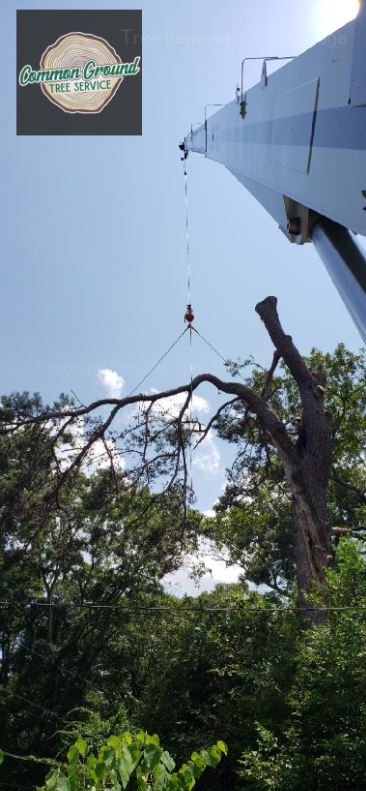
- Hands-on experience with specialized equipment, such as cranes and rigging systems, for safe tree removal in challenging scenarios.
- Education on emergency response protocols and first aid procedures to address potential accidents or injuries.
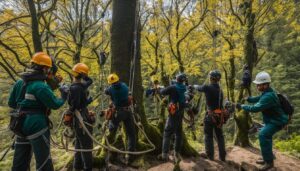
Safety Training for Tree Removal Professionals
Continuous safety training is essential for tree removal professionals to stay updated on industry best practices and advancements. It ensures that they are equipped with the most current knowledge and techniques to perform their jobs safely and efficiently.
Training programs often include:
- Regular safety meetings and refresher courses to reinforce safety protocols and address any emerging concerns or challenges.
- Workshops on new equipment and technological advancements that enhance safety and efficiency in high-risk tree removal.
- Collaboration with industry organizations and experts to exchange knowledge and share experiences related to safety in tree removal.
| Safety Measure | Description |
|---|---|
| Personal Protective Equipment (PPE) | Includes helmets, safety glasses, chainsaw-resistant chaps, and more to protect against potential injuries. |
| Fall Protection Systems | Harnesses, lanyards, and other fall protection equipment are used to prevent falls from heights. |
| Clear Communication and Work Zone Boundaries | Establishing clear communication channels and boundaries to prevent accidents caused by equipment or falling debris. |
| Equipment Inspections and Maintenance | Regular inspections and maintenance of equipment to ensure safe operation and identify potential risks. |
| Risk Assessment | Thorough evaluation of the tree and surrounding area to assess potential risks and determine appropriate safety measures. |
Best Practices for Safety in High-Risk Tree Removal
When it comes to high-risk tree removal, professionals rely on proven best practices to ensure the safety of both the workers and the surrounding environment. By following these guidelines, potential hazards and accidents can be minimized, allowing for a more efficient and secure operation.
Assessing the Tree’s Condition
Before undertaking any high-risk tree removal, it is crucial to thoroughly assess the condition of the tree. This evaluation helps in determining potential risks such as weak or hazardous branches, structural instability, or the presence of power lines. By understanding the tree’s condition, professionals can plan the removal process accordingly and implement appropriate safety measures.
Proper Equipment Usage
Using the right equipment is essential for ensuring safety during high-risk tree removal. Professionals must be trained in handling and operating chainsaws, rigging systems, cranes, and chippers. Proper maintenance of equipment is also essential to prevent malfunctions and accidents. By utilizing well-maintained tools and machinery, professionals can execute the removal tasks more efficiently while prioritizing safety. Find out more about How Does Proper Tree Canopy Management Enhance Overall Tree Maintenance.
Evaluating Risk Factors
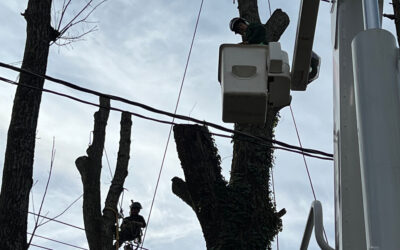
When dealing with high-risk tree removal, it is crucial to evaluate all potential risk factors. Professionals should consider the proximity of nearby structures, power lines, and the accessibility of the work area. By identifying these risks, measures can be put in place to mitigate potential dangers. This may involve using cranes or specialized rigging techniques to safely lower tree sections, creating a safe buffer zone, or coordinating with utility companies to ensure power lines are de-energized.
Implementing Appropriate Safety Protocols
Strict adherence to safety protocols is paramount during high-risk tree removal. Professionals should follow established guidelines for personal protective equipment (PPE), including helmets, safety glasses, chainsaw-resistant chaps, and fall protection harnesses. Additionally, establishing clear communication among the team members and maintaining a safe distance from the tree during removal operations are fundamental safety practices.
| Best Practices | Benefits |
|---|---|
| Thoroughly assess the tree’s condition | Minimizes the risk of unexpected hazards during removal |
| Use proper equipment | Ensures efficient removal and reduces the chance of accidents |
| Evaluate all risk factors | Identifies potential dangers and allows for adequate risk mitigation |
| Implement appropriate safety protocols | Keeps workers protected and maintains a safe working environment |
The use of these best practices greatly contributes to a safe and successful high-risk tree removal operation. By prioritizing safety through thorough assessment, proper equipment usage, risk evaluation, and implementation of safety protocols, professionals can tackle even the most challenging tree removal scenarios with confidence and efficiency. It is imperative for professionals to stay vigilant and up-to-date with industry standards to ensure continuous improvement in safety practices.
Certified Arborist Training for High-Risk Tree Removal
When it comes to high-risk tree removal scenarios, having the expertise of a certified arborist is essential for ensuring the safety and efficiency of the operation. Certified arborists undergo specialized training that equips them with the necessary skills and knowledge to handle challenging and hazardous tree removals with precision and care.
The training of certified arborists covers a wide range of topics, providing a comprehensive understanding of tree biology, arboriculture principles, advanced cutting techniques, and risk assessment. These arborists are trained to assess the condition of the tree, identify potential risks, and devise safe removal strategies tailored to each unique situation.
Arboriculture is a science that requires a deep understanding of tree anatomy, growth patterns, and response to different cutting techniques. Certified arborists are knowledgeable in identifying the structural weaknesses of trees and determining the safest methods for their removal. By applying their expertise, they can prevent accidents and minimize damage to surrounding structures and landscapes.
Moreover, certified arborists are trained in the proper use and maintenance of specialized equipment necessary for high-risk tree removals. They understand the importance of using industry-standard tools and techniques to ensure their own safety as well as the safety of others in the vicinity.
| Skills Acquired in Certified Arborist Training |
|---|
| Tree biology and anatomy |
| Arboriculture principles and practices |
| Advanced cutting techniques |
| Risk assessment and hazard identification |
| Safety protocols and equipment usage |
By investing in their education and training, certified arborists become valuable assets to any tree removal operation. Their expertise allows them to navigate complex removal scenarios, safeguarding both the workers and the surrounding environment.
When faced with high-risk tree removals, hiring a certified arborist not only ensures a safe and efficient process but also provides peace of mind knowing that the job will be carried out by a trained professional with extensive knowledge in the field.
Utilization of Safety Equipment in High-Risk Tree Removal
Professionals rely on specialized safety equipment for high-risk tree removal tasks. This equipment plays a crucial role in ensuring the safety and well-being of workers while executing these challenging operations.
When performing high-risk tree removal, professionals prioritize personal protective gear that shields them from potential hazards. This includes:
- Helmets: Protecting the head from falling debris or branches.
- Safety glasses: Shielding the eyes from flying debris and sawdust.
- Chainsaw-resistant chaps: Providing protection against accidental contact with the chainsaw blade.
- Fall protection harnesses: Preventing falls from elevated positions while working in trees.
Additionally, industry-standard equipment is utilized to ensure efficient and safe operations during high-risk tree removal. Some of these equipment include:
- Cranes: These powerful lifting machines assist in safely removing large tree sections, reducing the risk of damage to property or injury to workers.
- Rigging systems: Essential for securing heavy tree limbs and controlling their descent to prevent uncontrolled falls.
- Chippers: Used to turn branches and tree debris into manageable wood chips, enhancing safety by reducing clutter and providing a cleaner work environment.
This combination of personal protective gear and industry-standard equipment ensures that professionals can carry out high-risk tree removal operations with precision, efficiency, and utmost regard for safety.
Continuous Training and Safety Updates in Tree Removal
Professionals engaged in high-risk tree removal understand the paramount importance of ongoing safety training. By participating in continuous training programs, these experts are equipped with the latest techniques, advancements in equipment, and industry standards to ensure their work is always executed with the utmost safety in mind.
Regular safety meetings serve as a platform for professionals to stay up-to-date on evolving safety protocols and address any concerns or challenges specific to tree removal. These meetings provide an opportunity for team members to discuss best practices, share experiences, and learn from one another, fostering a culture of safety consciousness.
In addition to safety meetings, workshops and refresher courses help professionals refine their skills and enhance their efficiency in high-risk tree removal scenarios. These sessions often focus on specialized techniques, cutting-edge equipment, and changes in regulations, ensuring that professionals remain at the forefront of their field.
Tree Service Chattanooga, LLC is a Chattanooga-based company that provides residential and commercial tree care services. We can help you with tree removal, trimming, pruning, stump grinding, and view clearing. Our team is experienced and dedicated to safety and making your property look its best. We are the ideal choice for all your tree care needs.
FAQ
How do professionals train for safety in high-risk tree removal scenarios?
Professionals undergo rigorous training programs that incorporate a range of techniques and safety protocols. This training equips them with the necessary skills and knowledge to safely and efficiently remove trees in hazardous situations.
Why is safety training important in high-risk tree removal?
Safety training is crucial in high-risk tree removal to protect the well-being of workers and the surrounding environment. Training programs ensure that professionals are equipped with the appropriate skills, knowledge, and safety measures to minimize potential hazards and accidents.
What are some best practices for safety in high-risk tree removal?
Best practices for safety in high-risk tree removal include assessing the tree’s condition, using proper equipment, evaluating risk factors, and implementing appropriate safety protocols. Adhering to these guidelines is essential to minimize potential hazards and ensure a safe working environment.
What kind of training do certified arborists receive for high-risk tree removal?
Certified arborists undergo specialized training that covers various aspects, including tree biology, arboriculture principles, advanced cutting techniques, and risk assessment. This comprehensive training equips them with the necessary skills to handle high-risk tree removal scenarios safely and efficiently.
What safety equipment is used in high-risk tree removal?
Professionals utilize specialized safety equipment such as helmets, safety glasses, chainsaw-resistant chaps, and fall protection harnesses for personal protection. In addition, industry-standard equipment like cranes, rigging systems, and chippers are used to ensure safe and efficient operations.
How do professionals stay updated on safety protocols in tree removal?
Professionals engaged in high-risk tree removal undergo continuous training and participate in regular safety meetings, workshops, and refresher courses. This commitment to ongoing education ensures they stay informed about the latest techniques, equipment advancements, and industry standards in tree removal safety.