Responsible Tree Removal Practices For Landscaping Projects
As an arborist, I’m often asked about responsible tree removal practices for landscaping projects. It’s a complex issue that requires consideration of many important factors to ensure a successful outcome. Tree removal should be carefully planned and executed in accordance with established industry standards if we want our landscape project to remain beautiful and healthy over the long term. In this article, I’ll discuss three key considerations when it comes to removing trees in a safe and responsible way: safety, legal requirements, and impact on the environment.
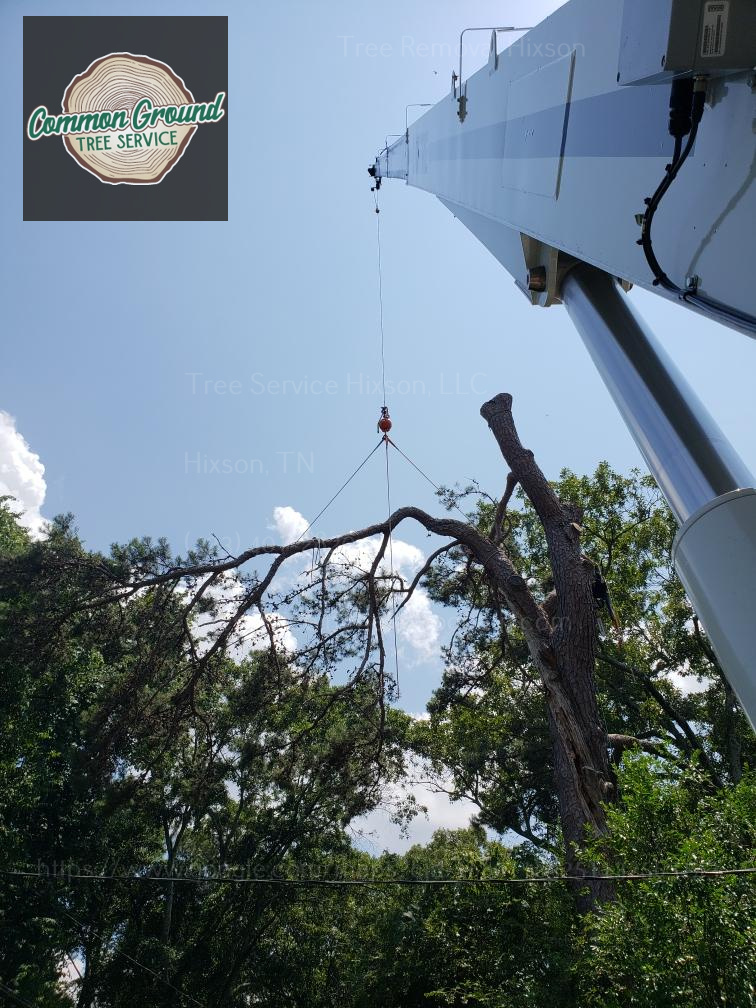
First, let’s talk about safety. Any time you’re working around trees there is potential danger from falling branches or even entire trees due to wind gusts or erosion caused by weather events like heavy rains or snow storms. That’s why it’s so important to plan ahead, take proper precautions during the process of removal, and use appropriate equipment for each job – all steps that must be taken seriously if your goal is protecting both people and property from harm during any tree work activity.
Second, consider legal compliance when planning your tree removal project. Many municipalities have strict regulations regarding what can (and cannot) be done with regard to tree healthcare services such as pruning, trimming, and/or removal. Be sure to familiarize yourself with local laws before starting work – failure to do so could lead to costly fines!
In conclusion, careful attention must also be paid to minimizing the environmental impact of any tree-related activities – especially those involving large-scale removals. By taking measures such as preserving root systems whenever possible, disposing of debris properly using composting techniques wherever applicable, and replanting new trees after harvesting mature ones; you will help ensure that your landscaping project doesn’t cause irreversible damage to nature’s delicate balance within your region’s ecosystem.
Reasons For Tree Removal in Hixson
It might come as a surprise that the average homeowner spends over $500 annually on tree care and maintenance. Tree removal in Hixson is often necessary for landscaping projects to ensure safety guidelines are met, but it’s crucial to follow responsible practices when doing so. As an arborist/tree care specialist, I have encountered many situations where property owners need to remove trees due to construction or damage caused by storms.
When deciding whether or not to trim or remove a tree, there are several factors to consider. Trees can add value and beauty to any landscape; however, if they become diseased or pose a risk of falling limbs, then removing them may be the safest choice. Additionally, some species of trees may require more frequent pruning than others in order to maintain safety standards and aesthetics.
Overall, tree removal should always be done with great caution since improper techniques can cause permanent damage or even injury. It is important to understand both the benefits and risks associated with each type of tree before attempting any sort of work on one’s own property. With this knowledge comes an understanding that proper procedures must be followed in order for safe and responsible practices during landscaping projects.
Guidelines For Safe And Responsible Practices
When undertaking a landscaping project that requires tree removal, it is important to adhere to safe and responsible practices. As a certified arborist/tree care specialist, I highly recommend following these safety guidelines in order to ensure minimal environmental impact while removing trees:
First and foremost, obtain permission from any necessary authorities before you begin the process of tree removal. This includes obtaining local council approval if applicable. Additionally, be sure to check whether or not the property has an established Tree Preservation Order (TPO) – this may require additional permissions for removals.
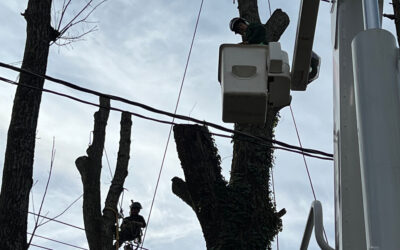
Before cutting down the tree, make sure all utility lines are marked as well as clear out any nearby structures and buildings that could be affected by falling debris. It’s also wise to use protective clothing such as goggles and gloves when carrying out the task at hand. Furthermore, wear brightly colored clothes so people can easily spot you from afar when working with heavy machinery.
Finally, once the tree has been removed safely, do your best to properly dispose of its remnants using appropriate waste management techniques. Additionally, take measures to prevent soil erosion caused by disturbed root systems; this may include adding mulch or grass seed over exposed areas where needed. Following these steps will help ensure that your landscaping projects have minimal disruption to our environment while improving the aesthetic value of your landscape design!
The importance of responsible tree removal practices cannot be underestimated when it comes to landscaping projects. As the old adage goes, “An ounce of prevention is worth a pound of cure.” Taking the necessary steps upfront to ensure that trees are removed safely and responsibly will help minimize any potential risks down the road.
As certified arborists/tree care specialists, we have an obligation to provide our clients with accurate information about safe and responsible tree removal practices in Hixson, Chattanooga, TN. This includes educating them on industry standards for proper pruning techniques as well as informing them of any environmental regulations that must be followed during project completion. By taking these proactive measures, we can ensure that each project meets safety requirements and client expectations without causing harm to nearby ecosystems or wildlife habitats.
Ultimately, responsible tree removal practices should always take precedence over expediency when it comes to completing landscaping projects. With careful planning and attention to detail, I am confident that my clients will receive quality results in a timely manner while also minimizing any negative impacts on their surrounding environment.