How To Replant Trees After Removal
As an arborist and tree care professional, I understand how important it is to properly replant a tree after removal. When done correctly, this can help ensure the new tree’s long-term health and success in its new environment. In this article, I’ll explain the steps involved in the successful replanting of trees so that any arborist or homeowner attempting such a project will have all the information they need for success.
Replanting a tree requires more than just dropping it into a hole with some dirt around it; there are several key considerations to keep in mind when planning out your project. Preparation is key, as the techniques used during planting will determine whether the newly planted tree thrives or fails in its new home. From choosing the right site to amending soils and mulching appropriately – these are all critical steps needed for the successful replanting of trees.
In this article, we’ll be discussing best practices for replanting trees, so you’re sure to get off on the right foot with your project! With proper preparation and follow-through, you can rest assured knowing that your newly planted tree has been given a good start towards lasting success in its new location.
Preparing The Site For Replanting
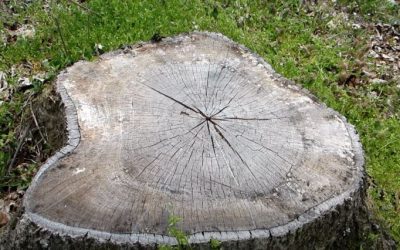
John and Mary recently decided to remove a large maple tree from their front yard. After the tree was removed, they were left with a large bare patch of soil. To ensure the success of replanting trees in this spot, John and Mary needed to take steps to properly prepare the site prior to planting a new tree.
The first step in preparing the site is assessing the existing soil conditions and making any necessary amendments before planting. This can include improving drainage if needed or adding organic matter like compost for better nutrient retention in sandy soils. Additionally, roots need to be cleared away from the area so that there’s ample room for healthy root growth when transplanting a new tree into the space.
Finally, mulch should be applied around all newly planted trees at least two inches deep but not touching directly against the trunk of the tree itself as it could lead to rot and disease problems down the line. Taking these simple steps will help create ideal growing conditions for the successful replanting of trees on your property.
Choosing And Planting A New Tree
Choosing the right tree for replanting is essential. When selecting a species, consider climate and soil conditions as well as the size of the mature tree in relation to its new location. Researching different species is key to finding one that’s suitable for your area. It’s also important to ensure the root ball isn’t too large or small for your space when deciding on size.
When you’ve chosen your tree, it’s time to get planting! Begin by preparing the soil with good-quality compost and nutrients prior to digging your hole. Make sure it’s at least twice as wide and just slightly shallower than the root ball of your tree before placing it into the ground. If possible, try not to disturb any roots while doing this; they’re vital for providing water and nutrients from surrounding areas. Finally, cover up the base of the trunk with mulch or soil mixture around two inches deep after setting it in place. This will help maintain moisture levels and prevent weed growth near roots.
Water thoroughly once everything has been completed; give extra attention if there are drought-like conditions happening in your region. Monitoring over several weeks is also necessary for ensuring the successful establishment of a newly planted tree.
It’s important to properly replant a tree after removal so that it can thrive and become an asset in its new environment. Replanting doesn’t have to be difficult; with the right steps, you can ensure your newly planted tree is successful.
First, prepare the site for replanting by removing any debris or rocks from the soil. If necessary, amend the soil with additional nutrients. Once this is done, choose a suitable species of tree for the location and pick one that has been grown specifically for planting in urban areas.
Finally, plant the tree at the proper depth and make sure there are no air pockets beneath it. Water adequately during dry periods, but avoid overwatering as this can cause root rot. Prune back branches as needed to maintain balance throughout growth and provide support if needed when exposed to windy conditions.
For example, I recently helped replant a large maple tree in my neighbor’s front yard after it was removed due to disease. We carefully prepared the area using organic matter before selecting a vigorous sapling from our local nursery in Chattanooga, Tennessee. After ensuring the hole was deep enough without compressing the roots too much, we filled it up with water-rich soil and mulch around the trunk base for insulation against temperature changes – already we could see signs of healthy development!
Common Ground Tree Service can help the people of Chattanooga with their tree service needs by providing expert tree pruning, grinding, trimming, and removal services. Our team of certified arborists is equipped to handle any tree service job, from small residential jobs to large commercial jobs. We also offer advice and guidance to ensure that Chattanooga’s trees remain healthy and strong. With our comprehensive services and experience, Common Ground Tree Service can help the people of Chattanooga keep their trees looking beautiful and healthy.