How Do Environmental Factors Influence Tree Stability for Crane Operations?
The removal of trees using cranes requires careful planning due to environmental factors. These factors can affect a tree’s stability. Professional tree workers must consider the soil, wind, and land to keep everyone safe.
They look at the soil to see if it’s strong enough. They check how much wind a tree can handle, and they study the land. By doing this, they make a detailed plan to get the tree down without danger.

Key Takeaways
- Soil conditions and root structure are critical to a tree’s stability during crane operations.
- Wind exposure and surrounding terrain can significantly compromise a tree’s structural integrity.
- A thorough assessment of tree hazards, including lean and structural instability, is essential for safe crane-assisted removal.
- Specialized rigging techniques and equipment control the tree during the crane-assisted extraction process.
- Understanding environmental factors is crucial for developing a comprehensive plan to mitigate risks and ensure the successful completion of the tree removal project.
Understanding Tree Stability Risks
Tree stability during tree removal with a crane is a big deal. Experts in tree care need to know how the environment affects a tree’s strength. They work together to make sure the job is safe and goes smoothly.
Experts consider the tree’s structural integrity as a key factor. They assess the tree’s size, shape, and condition to determine its stability and potential for failure. This includes evaluating the tree’s root system, branch structure, and any signs of decay or damage. Additionally, they consider environmental factors such as wind direction, soil conditions, and nearby obstacles that could impact the tree’s stability during removal. By carefully evaluating these factors, experts can develop a removal plan that minimizes the risk of accidents and ensures a successful operation.
Another crucial aspect of tree removal with a crane is the selection of the right equipment and rigging. Experts must choose the appropriate crane and rigging system to match the size and weight of the tree, as well as the terrain and obstacles on the site. This requires a deep understanding of crane operations, rigging techniques, and load calculations to ensure the tree is lifted and removed safely and efficiently. Furthermore, experts must also consider the crew’s and bystanders’ safety, implementing measures such as barriers, warning systems, and emergency response plans to mitigate potential risks. By combining their knowledge of tree biology, environmental factors, and crane operations, experts in tree care can ensure a safe and successful tree removal process. Get a better understanding of How Does the Choice of Equipment Impact the Efficiency of Stump Grinding.
Soil Conditions and Root Structure
How the soil and roots are doing is very important for a tree. The soil type, how much water it gets, and its roots’ condition really matter. Professionals check these things to understand if the tree can be moved safely. How the soil and roots are doing is very important for a tree. The soil type, how much water it gets, and its roots’ condition really matter. Professionals check these things to understand if the tree can be moved safely.
That’s absolutely right! The soil and roots of a tree play a crucial role in its overall health and stability. When considering transplanting a tree, professionals must carefully assess the soil type, moisture levels, and root condition to determine if the tree can be safely relocated. For instance, if the soil is too dense or poorly draining, it can cause root rot and weaken the tree’s anchor system, making it more prone to failure during transportation. Similarly, if the roots are damaged, diseased, or circling, it can compromise the tree’s ability to absorb water and nutrients, leading to stress and potentially fatal consequences during the relocation process. Discover more about How Can Integrated Pest Management Enhance Tree Maintenance Programs?
Wind Exposure and Terrain Factors
But that’s not all. Wind and where the tree stands are big factors, too. Trees in windy spots or on rough ground might fall when removed. Experts carefully look at these risks and plan to avoid them to finish the job safely. But that’s not all. Wind and where the tree stands are big factors, too. Trees in windy spots or on rough ground might fall when removed. Experts carefully look at these risks and plan to avoid them so that they can finish the job safely.

Safe Tree Removal with Cranes
Safety is key in crane-assisted tree removal. Arborists and crane operators thoroughly check the tree’s safety and structure. This is to make sure the removal is safe and controlled. They start by looking at how the tree leans and if it seems unstable.
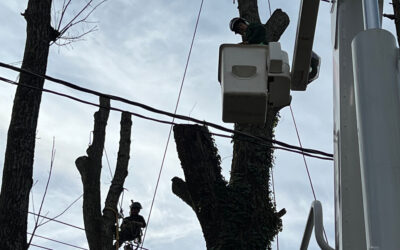
Next, they assess the tree’s branch structure, searching for any dead, broken, or weak branches that could snap off during removal. They also inspect the trunk for signs of decay, cracks, or other defects affecting its stability. Additionally, they consider the surrounding environment, taking note of nearby power lines, buildings, and other obstacles that could pose a hazard during the removal. The team also evaluates the weight and size of the tree, as well as the crane’s capacity, to ensure that the equipment can safely handle the load. By conducting a thorough assessment, the arborists and crane operators can develop a carefully planned removal strategy that minimizes risks and ensures a successful operation.
Assessing Tree Hazards and Lean
Arborists look closely at the tree to spot any dangers. They consider the tree’s lean to see if its root system is weak. They also think about the soil, how much wind the tree gets, and any previous damage. All this helps decide if the tree is stable and the best way to remove it.
Rigging Techniques for Controlled Removal
After spotting the risks and planning the removal, they move to the next step. The team uses special rigging to control the tree’s drop. This includes carefully placed slings and pulleys. They make sure the tree comes down exactly as needed. These techniques are key to preventing damage to buildings, roads, or trees.
Common Ground Tree Service is a certified arborist by ISA and provides tree services for both residential and commercial properties in Chattanooga, TN. Our services include tree removal, trimming, pruning, stump grinding, and view clearing. We have the expertise to ensure safety, enhance beauty, and add value to your yard care project.