What Are Common Hazards in Tree Work Involving Cranes, and How Are They Mitigated?
Tree removal with cranes is dangerous for workers and the area around them. They face many risks, including hitting power lines, unsafe ground, wrong calculations, and machines breaking.
To keep everyone safe, it’s crucial to know about these dangers. Putting the right safety steps in place for tree workers and crane operators is also important.
Key Takeaways
- Overhead utility lines pose electrocution and arc flash hazards during crane operations.
- Unstable ground conditions can lead to crane tipping or settling, compromising stability.
- Miscalculating load weight increases the risk of overloading and equipment failure.
- Proper training, site assessments, and adherence to safety protocols are crucial for mitigating risks.
- Effective communication and coordination among the crew are essential for maintaining a safe work environment.
Potential Risks in Using Cranes for Tree Removal
Using cranes to remove trees is tricky and has many dangers. If not careful, these jobs can be unsafe. Tree experts and crane workers need to follow safety rules. This helps keep everyone secure while working.
Overhead Hazards and Utility Line Conflicts
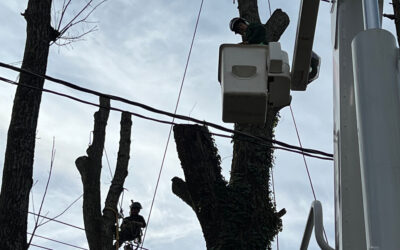
Keeping safe from powerline safety is a big deal. Touching a power line by mistake is very dangerous. It can cause electric shock or fires. Workers use covers on lines and lookouts to ensure the crane is grounded well to be safe.
Unstable Ground Conditions and Crane Tipping
The uneven, soft, or slippery ground poses risks for the crane. If the crane sinks or tips over, it can be dangerous. To avoid this, experts check the area well before setting up. They also use special pads to keep the crane steady. Following the crane’s weight limits is vital. This includes making sure the load doesn’t flick.
Load Miscalculations and Equipment Failure
Guessing wrong on how heavy the lift is might make the crane too full. This is hazardous and could cause the crane to break or fall. Things like the type of tree or how wet it is matter. Good care and checking by experts help stop accidents. They also make sure the crane is always in good shape. This article is truly awesome – give it a read: How Can You Prune a Tree to Improve Airflow?
Crane Safety in Tree Work
Ensuring crane safety in tree removal needs a strong plan. This includes crane operator certification and following ANSI standards. Plus, checking the site and doing hazard analyses are key. These steps help spot risks and find ways to avoid them.

Importance of Crane Operator Training and Certification
Having trained and certified crane operators is crucial. They know about load charts, how to rig safely, and important safety rules. The National Commission for the Certification of Crane Operators (NCCCO) offers recognized certification programs. These make sure operators know what they’re doing. It’s also vital to follow OSHA regulations.
Conducting Site Assessments and Job Hazard Analyses
Starting with a detailed site assessment and hazard analysis is key. It helps us find dangers and lets us plan how to stay safe. Things like things hanging overhead and how the ground looks are important. We also check access ways and what’s close by. After seeing the risks, we plan how to keep safe. This includes special traffic plans, safe zones, and protective equipment.
It’s also important that everyone working together talks and plans well. This includes the crew, arborists, crane operators, and spotters. Good communication keeps the job site safe.
Mitigating Hazards through Proper Planning
Having a solid plan is key to reducing risks during crane operations in tree work. Doing your homework and being very careful can lower danger levels. This is especially true when dealing with the tricky nature of these activities.
Establishing Safe Work Zones and Traffic Control
Setting up and protecting work zones for safe tree cutting is critical. Using pedestrian barriers, cones, and more stops people from getting in and keeps them safe from falling stuff. And, if working near roads, you must set up traffic control plans to keep everyone safe. This means things like road closures or changing lanes.

Selecting Appropriate Crane Size and Configuration
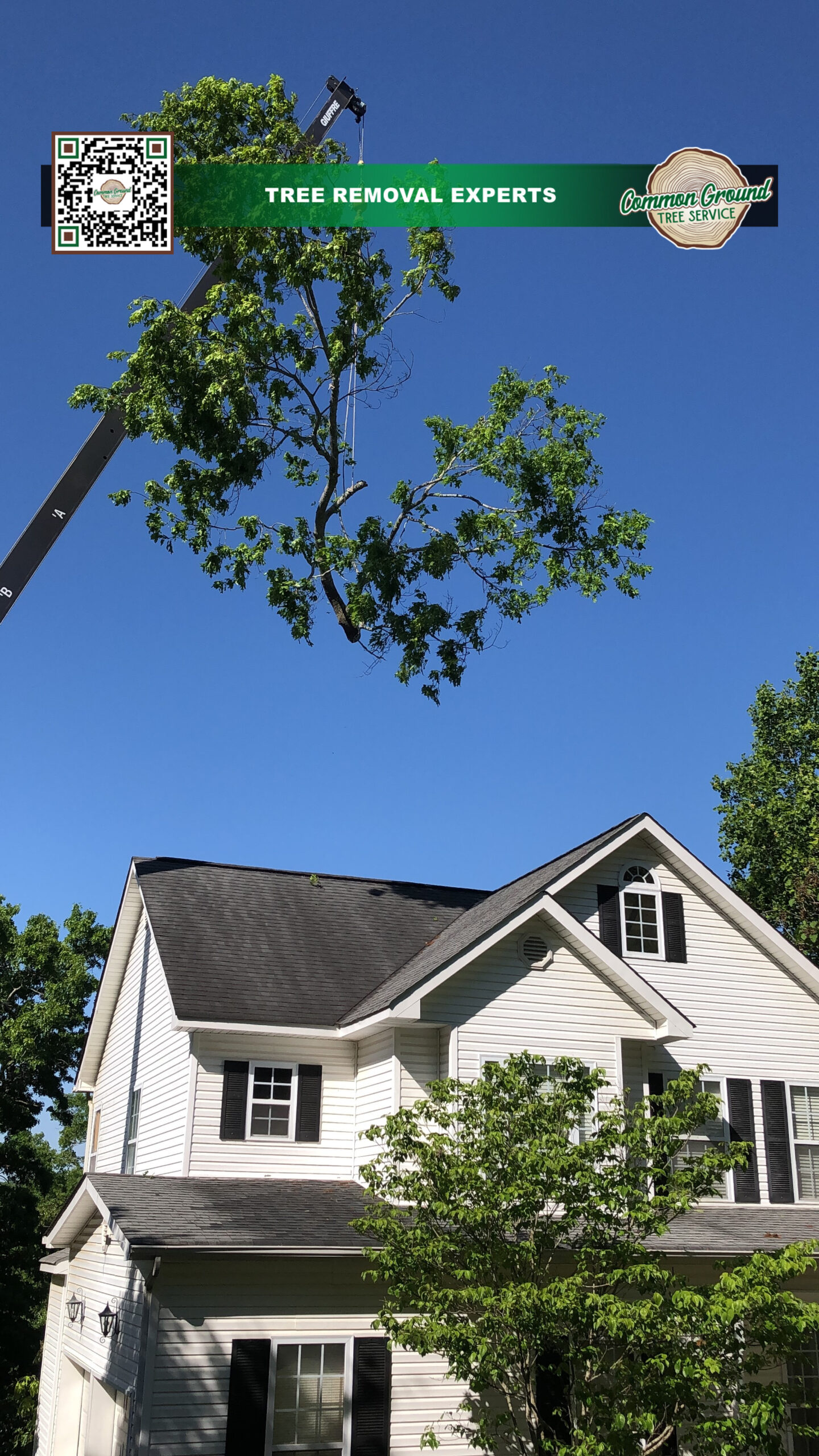
Picking the right crane size and configuration is critical for safe tree removal. You must look at the tree’s size, where it is, and what’s around it. This helps figure out the needed lift capacity and boom length. Always use crane load charts and follow the maker’s advice to avoid problems. Also, the right rigging and gear, like taglines, can help manage the weight during lifts.
- Thoroughly assess the job site to determine the optimal crane size and configuration.
- Consult load charts and manufacturer guidelines to ensure safe operation within the crane’s capabilities.
- Utilize proper rigging techniques and equipment to control the load during lifts.
Best Practices for Crane Operation in Tree Work
Using crane safety protocols is very important during tree removal. It is key to have clear communication procedures. They help the crane operator, arborists, and spotters work well together. Also, check equipment regularly. This includes the crane itself, the rigging, and the protective gear. Fixing any problems quickly keeps everyone safe.
It’s vital to have strong emergency preparedness. Plans should include clear ways out and places to go for safety. Good arborist-crane coordination keeps the work area safe. Training everyone well and making sure they follow rules helps lower risks. This is important in tree work with cranes.
Common Ground Tree Service is a certified arborist by the ISA and provides tree services for residential and commercial properties in Chattanooga, TN. Our services include tree removal, trimming, pruning, stump grinding, and view clearing. We prioritize experience, safety, aesthetics, and value in all of our yard care projects.