What Are the Common Mistakes to Avoid in Pruning for Tree Trimming in Hixson, TN?
When it comes to maintaining the health and appearance of your trees, pruning is an essential task. However, many people make common mistakes that can have a negative impact on their trees. To ensure that you achieve the best results and avoid these pitfalls, it’s crucial to understand the dos and don’ts of tree pruning in Hixson, TN.
In this article, we will explore the most common mistakes that people make when pruning trees for trimming in Hixson, TN. By understanding these mistakes and learning how to avoid them, you can promote healthy growth, improve the aesthetics of your trees, and minimize the risk of damage.
Key Takeaways:
- Proper timing and frequency of pruning are crucial for tree health and growth.
- Avoid over pruning or thinning too much foliage, as it can weaken the tree’s structure.
- Use proper pruning techniques to prevent irreversible damage to your trees.
- Maintain and sharpen your pruning tools regularly for clean and precise cuts.
- Consider the unique structure and growth habits of each tree before pruning.
Neglecting Proper Timing and Frequency
Proper timing and frequency are crucial when it comes to tree pruning. Neglecting these factors is one of the most common mistakes people make, which can have detrimental effects on the health and growth of your trees. Pruning at the wrong time of year or pruning too often can cause unnecessary stress and hinder optimal results.
For the best timing, it’s important to consider the specific species of tree you are pruning. Different trees have different growth patterns and respond better to pruning at specific times. Some trees are best pruned during their dormant period, while others thrive with pruning immediately after flowering.
The frequency of tree pruning also depends on various factors such as tree age, growth rate, and desired outcomes. Younger trees typically require more frequent pruning to shape their structure and promote healthy growth. Mature trees, on the other hand, may only need occasional pruning to remove dead or damaged branches.
It’s important to note that excessive pruning can stress the tree and lead to poor growth. Conversely, inadequate pruning can result in overgrown branches, impacting the tree’s overall health and aesthetics.
By understanding the proper timing and frequency of tree pruning, you can maintain the health and appearance of your trees while promoting optimal growth. The table below provides a general guideline for the timing and frequency of pruning common tree species:
| Tree Species | Timing | Frequency |
|---|---|---|
| Oak | Winter or early spring | Every 2-3 years |
| Maple | Winter or early spring | Every 1-2 years |
| Cherry | After flowering | Every 2-3 years |
| Pine | Early spring | Every 3-5 years |
Keep in mind that these are general guidelines, and it’s always best to consult a professional arborist for specific recommendations based on your tree’s unique characteristics.
Pruning or Thinning Too Much
When it comes to pruning trees, it’s important to strike the right balance between removing excess foliage and maintaining the health and structural integrity of the tree. Over pruning or thinning too much can have detrimental effects on the overall well-being of the tree.
Over-pruning, as the term suggests, refers to the excessive removal of branches and foliage from a tree. This practice can put unnecessary stress on the tree, leading to weakened structure and compromised health. Thinning too much foliage disrupts the tree’s natural canopy and can disrupt its ability to produce energy through photosynthesis.
So, how can you avoid over pruning or thinning too much when pruning your trees? Here are some essential tree pruning tips to keep in mind:
- 1. Understand the specific needs of each tree species. Different trees have varying tolerance levels for pruning, so it’s crucial to do some research or consult with a professional arborist before starting.
- 2. Aim for a balanced approach. Removing no more than 25% of the tree’s foliage is generally recommended to maintain the tree’s health and aesthetics.
- 3. Avoid indiscriminate pruning. Don’t remove branches haphazardly or without a clear reason. Each cut should have a purpose and be made with precision.
- 4. Be mindful of the tree’s growth habit. Understanding how a tree naturally grows and develops can guide your pruning decisions and help avoid excessive thinning.
- 5. Regularly inspect your trees. Keep a watchful eye for signs of stress or decline, such as excessive deadwood or reduced leaf density. Promptly address any issues to prevent over pruning as a reactive measure.
By following these tree pruning tips, you can help maintain the health and vitality of your trees while avoiding the negative consequences of over pruning or thinning too much. Remember, when in doubt, it’s always a good idea to seek the expertise of a professional arborist who can guide you in making the right pruning decisions for your trees. Get to know more about How Can Homeowners Ensure Safety When Undertaking Tree Removal in Hixson, TN.
Improper Pruning Techniques
Proper pruning techniques are vital for maintaining the health and vitality of your trees. Unfortunately, many people unknowingly commit common tree pruning blunders that can cause irreversible damage. In this section, we will highlight some of the most preventable pruning mistakes and teach you the correct techniques to ensure the longevity and beauty of your trees.
Common Tree Pruning Blunders
Improper pruning techniques can lead to various problems for your trees, such as stunted growth, increased vulnerability to disease and pests, and even structural instability. Avoid these common tree pruning blunders:
- Topping: Topping is the indiscriminate removal of large branches or the entire top of a tree. This harmful practice can lead to weak, unstable regrowth and puts the tree at risk of disease and decay.
- Flush cuts: Cutting branches too close to the trunk, known as flush cuts, can prevent proper wound healing and leave the tree susceptible to infections.
- Lion’s tailing: Lion’s tailing involves removing most of the inner foliage, leaving only a few branches at the ends. This improper technique disrupts the tree’s natural structure and weakens its ability to withstand strong winds.
- Stub cuts: Leaving stubs when cutting branches can inhibit proper healing and create entry points for pests and diseases.
To maintain the health and integrity of your trees, it’s crucial to avoid these improper pruning techniques and adopt the correct methods.
The Proper Techniques
Preventable pruning mistakes can be avoided by following these proper techniques:
- Prune at the right time: Timing is crucial when pruning trees. Most deciduous trees should be pruned during their dormant season, while flowering trees should be pruned after they finish flowering. Consult a local arborist for specific timing recommendations in your area.
- Use proper cutting tools: Always use sharp, clean pruning tools to ensure clean cuts and minimize stress on the tree. Regularly inspect and maintain your tools to avoid damage and facilitate efficient cutting.
- Follow the natural branch collar: When removing branches, make cuts just outside the branch collar, the swollen area at the base of the branch. This technique promotes proper wound healing and prevents unnecessary damage to the tree.
- Prune for structure: Consider the overall structure and growth habit of the tree before pruning. Remove crossing or competing branches, aim for a balanced canopy, and preserve the tree’s natural shape.
By employing these proper pruning techniques, you can ensure the health and longevity of your trees while enhancing their aesthetic appeal.
| Improper Pruning Technique | Consequences | Preventative Measure |
|---|---|---|
| Topping | Weak regrowth, susceptibility to disease | Avoid topping and consult a professional arborist for proper tree trimming methods |
| Flush cuts | Poor wound healing, risk of infection | Leave the branch collar intact when making cuts |
| Lion’s tailing | Weak structure, vulnerability to wind damage | Preserve inner foliage to maintain tree strength |
| Stub cuts | Pest and disease entry points | Make clean, proper cuts just outside the branch collar |
Learning and implementing the correct pruning techniques is crucial for the well-being and longevity of your trees. By avoiding common pruning blunders and adopting preventive measures, you can ensure the health and vitality of your trees for years to come.
Neglecting Pruning Tools Maintenance
Proper maintenance of your pruning tools is essential for achieving clean and precise cuts while pruning trees. Neglecting to maintain and sharpen your pruning tools can lead to ragged cuts that can impede the healing process of tree branches. Additionally, dirty or contaminated tools can inadvertently spread diseases between trees, further compromising their health.
Regular pruning tools maintenance not only ensures the longevity of your equipment but also contributes to the overall health and appearance of your trees. By following a few simple maintenance routines, you can keep your pruning tools in optimal condition and enhance their performance.
Importance of Pruning Tools Maintenance
Maintaining your pruning tools is crucial for several reasons:
- Clean and precise cuts: Properly sharpened and maintained pruning tools result in clean cuts, promoting fast and efficient healing of branches. Ragged cuts, on the other hand, take longer to heal and can create entry points for pathogens.
- Reduced risk of disease transmission: Regular cleaning and sanitization of your pruning tools help prevent the unintentional spread of diseases between trees. Removing plant debris and sterilizing your tools between cuts significantly reduces the risk of infection.
- Improved tool longevity: Well-maintained pruning tools last longer, saving you money in the long run. Keeping blades sharp and rust-free, lubricating moving parts, and storing tools properly can extend their lifespan and effectiveness.
Pruning Tools Maintenance Checklist
Follow this checklist to ensure proper maintenance of your pruning tools:
| Maintenance Task | Frequency |
|---|---|
| Clean tools after each use | After every pruning session |
| Sanitize tools between cuts | Between pruning different trees or branches |
| Sharpen cutting edges | At least once a year |
| Oil and lubricate moving parts | Every few months or as needed |
| Inspect for damage or wear | Before each use |
| Store tools in a dry and clean area | After each use |
By incorporating these maintenance practices into your routine, you can ensure that your pruning tools are always in top shape, enabling you to make precise cuts and promote the health of your trees.
Failure to Consider Tree Structure and Growth Habit
When it comes to tree pruning, one of the common mistakes people make is not considering the unique structure and growth habit of each tree. Ignoring these factors can lead to ineffective pruning and potentially harm the tree’s health and appearance. To ensure successful tree trimming, it’s crucial to understand the best practices for considering tree structure and growth habits.
Each tree species has its own natural growth habit, which influences the way it branches and develops. Some trees have a more upright growth habit, while others may have a spreading or weeping form. By understanding the natural growth pattern of a tree, you can make informed decisions when pruning to maintain or enhance its form.
Tree structure, on the other hand, refers to the arrangement and integrity of the tree’s limbs and branches. It’s essential to assess the structural integrity before pruning, especially for mature or large trees. Removing or cutting branches incorrectly can weaken the overall structure and potentially lead to instability or hazardous conditions.
Consideration of tree structure and growth habit is crucial when deciding which branches to prune or retain. Properly pruned trees not only look aesthetically pleasing but also thrive in their environment.
Best Practices for Tree Pruning:
- Begin by observing the tree’s natural growth habit, paying attention to its form and branch structure.
- Identify any damaged, dead, or diseased branches that need to be removed.
- Prune branches that cross or rub against each other, as they can cause wounds and potential disease entry points.
- Remove any weak or narrow-angled branches that may be susceptible to breakage.
- Consider the overall shape and balance of the tree when making pruning decisions to maintain its natural appearance.
- Avoid excessive pruning or removing large branches all at once, as this can stress the tree and reduce its vigor.
- Use proper pruning techniques, such as making clean cuts at the branch collar without damaging the bark.
- Regularly inspect and monitor the tree’s growth and structure to address any pruning needs promptly.
By following these best practices and considering the tree’s unique structure and growth habits, you can effectively prune trees to promote their health, longevity, and aesthetic appeal.
Ignoring Safety Precautions
When it comes to tree pruning, your safety should always be a top priority. Ignoring safety precautions can put you at risk of accidents and injuries. To ensure a safe pruning experience, here are some crucial safety measures to follow:
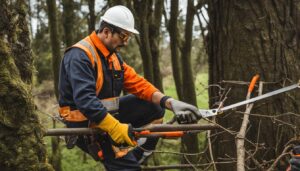
- Wear protective gear: Before you start pruning, make sure to wear appropriate protective gear, including safety glasses, gloves, and a helmet if necessary. This will help protect you from falling debris, branches, and other potential hazards.
- Use the right tools: Always use the correct pruning tools for the job. Sharp, well-maintained tools can help prevent accidents and make pruning easier. Ensure that your tools are in good working condition before you begin.
- Inspect the area: Before you start pruning, inspect the surrounding area for any potential hazards. Look out for power lines, uneven terrain, or any obstacles that may pose a danger. Keep a safe distance from power lines and take precautionary measures to avoid coming into contact with them.
- Secure your footing: When climbing trees or using ladders, ensure that they are stable and secure. Always maintain three points of contact with the tree or ladder to minimize the risk of falling.
- Be mindful of weather conditions: Avoid pruning during severe weather conditions such as strong winds, storms, or icy conditions. Pruning in such conditions can increase the risk of accidents and injuries.
- Know your limits: Understand your capabilities and limitations when it comes to tree pruning. If a job requires professional expertise or equipment beyond your skill level, it’s best to consult a certified arborist to avoid any potential risks.
By following these safety precautions, you can minimize the risk of accidents and ensure a safe pruning experience. Remember, your safety should never be compromised when caring for your trees.
Failing to Hire a Professional Arborist
When it comes to tree pruning, hiring a professional arborist is a decision that can save you from costly mistakes and preserve the health of your trees. While some pruning tasks can be done on your own, certain situations require the expertise of a trained professional.
Working with large or complex trees can be dangerous and requires specialized knowledge and equipment. A professional arborist has the experience and skills to assess tree health, identify structural issues, and determine the best pruning techniques to enhance growth and maintain safety.
By hiring a professional arborist, you can ensure that your trees receive proper care and attention. These experts have an understanding of tree biology, pruning principles, and local regulations. They also have access to the right tools and equipment necessary for effective tree pruning.
Investing in tree pruning services not only helps maintain the aesthetic appeal of your property but also promotes the long-term health and vitality of your trees. Don’t overlook the value of hiring a professional arborist when it comes to tree pruning – it’s a decision that will benefit both you and the trees.
Tree Service Hixson, LLC is a local business based in Hixson, TN that offers residential and commercial tree services. Our services include tree removal, trimming, pruning, stump grinding, and view clearing. We are devoted to improving the beauty and value of your yard, prioritize safety, and draw on years of experience to be the best choice for your tree care needs.