How Does Removing Deadwood Benefit the Overall Tree Trimming Process in Chattanooga, TN?
When it comes to tree maintenance, one crucial aspect that often gets overlooked is the removal of deadwood. Dead branches not only compromise the structural integrity of trees but also pose potential risks to the surrounding area. In Chattanooga, TN, proper deadwood removal plays a vital role in enhancing tree health and maintaining a beautiful landscape.
Key Takeaways:
- Deadwood removal is an essential part of tree maintenance in Chattanooga, TN.
- Removing dead branches promotes tree health by preventing disease and pests.
- Eliminating deadwood enhances the aesthetics of your property and prolongs the lifespan of trees.
- Proper equipment and safety measures are necessary for effective deadwood removal.
- Hiring professional tree trimming services ensures expert advice and efficient removal.
Understanding Deadwood Removal
Before we delve into the benefits, it is essential to understand what deadwood removal entails. Deadwood refers to branches that have died or become structurally weak and pose a risk to the tree and its surroundings. Through pruning techniques, dead branches are safely removed, improving both the tree’s structural integrity and overall appearance.
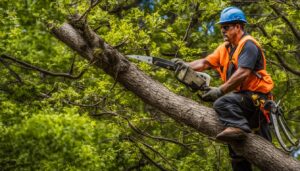
Pruning Dead Branches
Pruning dead branches is a vital aspect of deadwood removal. It involves selectively cutting off the dead branches down to the main branch or trunk. This process not only eliminates potential hazards but also improves the overall strength and stability of the tree.
- Pruning dead branches allows the tree to focus its resources on healthy, living branches, promoting better growth and development.
- Removing dead branches enhances the tree’s natural form and aesthetic appeal, ensuring it remains a visually pleasing addition to your landscape.
- Pruning deadwood helps maintain a balanced canopy, preventing the tree from becoming top-heavy and reducing the risk of limb failure.
Improving Tree Structure
Another key benefit of deadwood removal is improving the tree’s structure. Dead branches can weaken the overall structure of a tree and make it more susceptible to damage during storms or strong winds. By removing deadwood, you enhance the tree’s ability to withstand external pressures and increase its longevity.
Proper deadwood removal allows the tree to develop a solid and well-distributed branch structure, promoting optimal growth and minimizing the risk of limb breakage. This ensures that your trees remain healthy, safe, and aesthetically pleasing for years to come.
| Benefits of Deadwood Removal |
|---|
| Improves tree stability |
| Enhances overall tree structure |
| Reduces the risk of falling branches |
| Promotes healthy growth and development |
| Prevents the spread of disease and pests |
| Elevates the tree’s aesthetic appeal |
Enhancing Tree Health
Removing deadwood plays a crucial role in maintaining tree health. Dead branches are more susceptible to disease, pests, and fungal infections. By removing them, you can prevent the spread of diseases and pests, ensuring that your trees remain healthy and vibrant. Additionally, eliminating deadwood allows for better airflow and sunlight penetration, promoting healthy growth throughout the entire tree.
Preventing Diseases and Pests
Dead branches provide a breeding ground for pests and serve as an entry point for diseases. Insects, such as beetles and termites, are attracted to decaying wood, and once they infest a tree, they can cause extensive damage. Fungal infections can also spread from deadwood to healthy branches, compromising the overall health of the tree. By timely removing deadwood, you can prevent the invasion of pests and halt the progression of diseases in your trees.
Promoting Healthy Growth
Eliminating deadwood allows your trees to redirect their energy and resources towards healthy growth. Dead branches hinder the flow of nutrients and water to the living parts of the tree, limiting its ability to thrive. By removing deadwood, you create space for new branches to develop and flourish. Moreover, the improved airflow and sunlight penetration resulting from deadwood removal contribute to the overall health and vitality of the tree.
| Benefits of Deadwood Removal for Tree Health | Description |
|---|---|
| Prevents disease | Eliminating deadwood reduces the risk of diseases spreading from decaying branches to healthy ones. |
| Controls pests | Removing deadwood deters pests, such as insects and rodents, from infesting trees and causing damage. |
| Promotes healthy growth | By eliminating deadwood, trees can focus their resources on new growth, resulting in healthier and stronger branches. |
| Improves airflow | Deadwood removal allows for better ventilation within the tree canopy, preventing the buildup of moisture and reducing the risk of fungal infections. |
| Enhances sunlight penetration | With deadwood removed, sunlight can reach the lower branches and leaves, providing the necessary energy for optimal photosynthesis. |
Regular deadwood removal, coupled with proper tree maintenance practices, is essential for preserving the health and longevity of your trees. By prioritizing the removal of dead branches, you can prevent diseases, control pests, promote healthy growth, and ultimately maintain beautiful and thriving trees on your property.
Improving Tree Aesthetics
Enhancing the aesthetics of your trees is another significant benefit that comes with removing deadwood. Dead branches can be unsightly and diminish the overall appeal of your property. By pruning deadwood, you can greatly improve the appearance of your trees and create a more visually pleasing landscape.
Removing deadwood not only enhances the immediate beauty of your trees but also contributes to their longevity. Dead branches are more prone to disease and structural issues that can lead to further decline. By eliminating deadwood, you reduce the risk of these problems, thus increasing the lifespan of your trees.
When dead branches are pruned, it allows the tree to allocate more of its resources towards healthy growth. This redistribution of energy and nutrients fosters better overall health and vitality. The result is a tree that not only looks visually stunning but is also robust and resilient against external stressors. Get a better understanding of How Do Professionals Train for Safety in High-Risk Tree Removal Scenarios.
Key points in improving tree aesthetics:
- Removing deadwood greatly enhances the appearance of trees and improves the overall landscape.
- By eliminating dead branches, you reduce the risk of disease and structural issues, ultimately prolonging the lifespan of your trees.
- Pruning deadwood allows trees to allocate more resources towards healthy growth, resulting in improved overall health and vitality.
Necessary Equipment and Safety Measures
Proper tree maintenance and deadwood removal require the use of specific tools and adherence to safety measures. When it comes to removing deadwood, qualified tree maintenance professionals in Chattanooga, TN, utilize specialized equipment to ensure effective and safe removal. Here are some essential tools commonly used:
| Equipment | Description |
|---|---|
| Pruning Shears | Designed for cutting small branches and stems, pruning shears provide precision and control during deadwood removal. |
| Loppers | With long handles and sharp blades, loppers are ideal for cutting branches with a larger diameter. They allow for easier reach in tight spaces. |
| Chainsaws | Tree service professionals often use chainsaws for larger dead branches. Chainsaws provide the power and speed needed for efficient removal. |
When it comes to deadwood removal, safety is paramount. Hiring a certified arborist or tree service company with the expertise and experience to perform the task is crucial. These professionals understand the risks associated with removing deadwood and employ proper safety measures to protect both the workers and the property.
Here are a few safety measures that tree maintenance professionals follow:
- Using personal protective equipment (PPE) such as helmets, safety glasses, gloves, and safety shoes to safeguard against potential hazards.
- Ensuring a thorough assessment of the tree and surrounding environment to identify potential risks and develop a safe removal plan.
- Implementing proper climbing techniques and utilizing safety harnesses and ropes to navigate the tree safely.
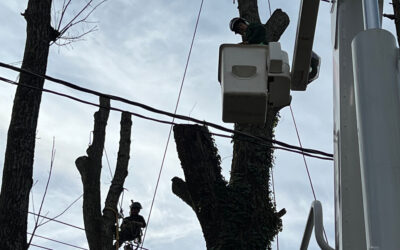
- Maintaining a safe distance from power lines and other electrical hazards during the removal process.
To ensure a safe and efficient deadwood removal, rely on the expertise of trained professionals who have the necessary equipment and prioritize safety above all else.
When to Remove Deadwood
Regular tree maintenance is essential for ensuring the health and longevity of your trees. As part of this maintenance routine, inspecting for deadwood and determining the appropriate time for removal is crucial. Removing deadwood not only improves the tree’s structural integrity but also promotes overall tree health, making it a vital aspect of tree maintenance.
It is generally recommended to remove deadwood during the dormant season. This period, which typically occurs in late winter or early spring, is when trees are in a state of rest. Removing dead branches during this time minimizes the stress on the tree and provides an optimal opportunity for new growth to emerge.
However, it is important to note that there are instances when deadwood needs to be removed promptly, regardless of the season. Dead branches that pose an immediate risk to the tree’s structure, or branches that are already compromised and may lead to safety hazards, should be addressed as soon as possible.
Determining the appropriate time for deadwood removal requires careful evaluation. If you are unsure about the condition of your trees or the timing for deadwood removal, it is advisable to consult with a professional arborist or tree service company in Chattanooga, TN. They can assess your trees’ specific needs, provide expert guidance, and ensure the deadwood removal process is carried out safely and effectively.
| Signs it’s Time to Remove Deadwood | Risk Factors and Considerations |
|---|---|
| ● Dead branches with no signs of new growth or buds | ● Potential hazards to structures, people, or power lines |
| ● Insect infestation or extensive decay | ● Structural weakness, including cracks or splits |
| ● Fungal infections and disease presence | ● Impairment of tree growth and vitality |
Hiring Professional Tree Trimming Services
When it comes to tree maintenance and enhancing the overall health and aesthetics of your trees, hiring professional tree trimming services in Chattanooga, TN is a wise decision. Entrusting the task to experienced arborists ensures that the deadwood removal process is carried out safely and efficiently, yielding the best results for your trees.
Professional tree trimming services have the expertise to assess your trees’ specific needs. By evaluating the condition of your trees and identifying deadwood that needs to be removed, arborists can provide expert advice tailored to your unique situation. This personalized approach ensures that your trees receive the proper care they require to thrive and maintain optimal health.
Deadwood removal is not a simple task and requires specialized knowledge and equipment. Professional tree trimming services have access to industry-standard tools and techniques, ensuring that the dead branches are safely pruned and removed. By employing the right methods, arborists can enhance tree aesthetics, improving the overall appearance of your landscape.
Beyond the immediate benefits of deadwood removal, hiring professionals contribute to the long-term health and longevity of your trees. With their extensive experience, arborists can identify potential issues that may affect your trees in the future. By addressing these issues early on, they can prevent further damage or decline, ultimately preserving and extending the lifespan of your trees.
Tree Service Chattanooga, LLC is a Chattanooga, TN-based company that provides residential and commercial tree care services. We specialize in tree removal, trimming, pruning, stump grinding, and view clearing. Our experienced team is dedicated to safety and to enhancing the beauty and value of your property. We are the perfect choice for all your tree care needs.
FAQ
How does removing deadwood benefit the overall tree trimming process?
Removing deadwood during the tree trimming process has several benefits. It improves tree health by preventing the spread of disease and pests, promotes healthy growth by enhancing airflow and sunlight penetration, and extends the tree’s lifespan by reducing the risk of structural issues. Additionally, removing deadwood improves the tree’s aesthetics, creating a more visually appealing landscape.
What is deadwood removal?
Deadwood removal involves pruning branches that have died or become structurally weak. These branches pose a risk to the tree and its surroundings and are safely removed to improve the tree’s structural integrity and overall appearance.
How does removing deadwood enhance tree health?
Removing deadwood plays a crucial role in maintaining tree health. Dead branches are more susceptible to disease, pests, and fungal infections. By removing them, you can prevent the spread of diseases and pests, ensuring that your trees remain healthy and vibrant. Removing deadwood also allows for better airflow and sunlight penetration, promoting healthy growth.
Does removing deadwood improve tree aesthetics?
Yes, removing deadwood improves tree aesthetics. Dead branches can be unsightly and diminish the overall appeal of your property. By pruning deadwood, you can improve the tree’s appearance, creating a more visually pleasing landscape. Additionally, removing deadwood helps to prolong the tree’s lifespan, as it reduces the risk of disease and structural issues that can lead to further decline.
What equipment and safety measures are necessary for deadwood removal?
Proper deadwood removal requires the use of specialized tools such as pruning shears, loppers, and chainsaws. It is essential to hire a certified arborist or tree service company with the expertise and experience to perform the task safely and efficiently. Adhering to safety measures is crucial to prevent accidents and minimize risks during the deadwood removal process.
When is the best time to remove deadwood?
Deadwood is generally removed during the dormant season to minimize stress on the tree. However, branches that pose an immediate risk and compromise the tree’s structure should be removed promptly, regardless of the season. Regular tree maintenance and inspection help determine the appropriate time for deadwood removal.
Why should I hire professional tree trimming services for deadwood removal?
Hiring professional tree trimming services ensures the best results and avoids potential damage to your trees. Experienced arborists can assess your trees’ needs, provide expert advice, and perform the deadwood removal process safely and efficiently. By entrusting the task to professionals, you can maintain tree health, improve aesthetics, and prolong the lifespan of your trees.