The Impact Of Uncontrolled Tree Removal On The Environment
The environment is a complex and fragile system that requires careful attention in order to thrive. Uncontrolled tree removal can have an enormous impact on the environment, disrupting delicate ecosystems and causing permanent damage. In this article, we’ll explore how unchecked tree removal affects our world today.
The trees of the Earth provide us with so much – food, shelter, and oxygen – yet too often they are taken for granted or removed without thought or consequence. With each felled tree comes the potential destruction of entire habitats, affecting countless species and diminishing natural resources. The consequences of unregulated deforestation can be seen across continents, from soil erosion and water contamination to climate change.
It’s imperative that people come together to protect our planet’s precious forests before it’s too late. Our future depends on it; let’s take action now to ensure a sustainable tomorrow for generations to come. This article will delve into what uncontrolled deforestation looks like today and why urgent steps must be taken if we hope to save the environment from further destruction.
Reasons For Uncontrolled Tree Removal
The world’s environment is being impacted by a harsh truth: the destruction of its trees. Uncontrolled tree removal has become an ever-increasing problem across the globe, with deforestation and urban development leading to massive habitat destruction. From the Amazon Rainforest in South America to forests all over Africa, even our own backyards are not safe from this devastating phenomenon. With climate change looming, it is essential for us to understand why uncontrolled tree removal takes place and how it impacts our planet.
One major reason for unchecked tree-cutting is poverty. People living in rural areas often turn to log as a means of making money due to the limited job opportunities available to them. This can lead to large swaths of land being cleared of vegetation without any regard for sustainability or conservation efforts. Urban expansion also plays a role in this process; concrete jungles are replacing natural habitats at alarming rates, leaving no room for trees and other plants that keep ecosystems healthy.
Furthermore, soil erosion caused by unregulated harvesting greatly affects entire regions’ ability to produce food and obtain clean water sources. Without trees acting as anchors and absorbers of rainwater runoff, topsoil gets washed away into rivers and streams much more quickly than when there are intact root systems present underground. This leads to degraded landscapes that cannot provide adequate sustenance or resources needed by animals and humans alike.
It is clear that uncontrolled tree removal has severe consequences on our environment – both locally and globally – yet many people remain unaware of these issues until they reach crisis proportions. If we wish to preserve our planet’s fragile balance, then it becomes imperative that we take steps now toward halting deforestation before it’s too late.
Consequences Of Uncontrolled Tree Removal
The consequences of uncontrolled tree removal are far-reaching and devastating. The most notable consequence is soil degradation, which can occur when trees are cut down without proper care taken to protect the surrounding environment. Without roots to hold the soil in place, it quickly becomes eroded by wind or water, leading to a decrease in fertility and an increase in desertification. This affects biodiversity loss, as fewer plants mean less food for animals and other organisms that rely on them.
Another major consequence of tree clearing is water pollution caused by sediment runoff into lakes, rivers, and streams. Clearing trees also increases the number of pollutants entering these bodies of water from agricultural activities such as pesticides and fertilizer application. As a result, fish populations decline due to decreased oxygen levels and increased toxins present in the water supply.
Lastly, unchecked deforestation leads to air quality issues and climate change. Trees absorb carbon dioxide from the atmosphere during photosynthesis; without them, more greenhouse gases linger over time causing global warming effects like droughts and sea level rise. Furthermore, destroying forests eliminates habitats for birds and pollinators needed for healthy ecosystems worldwide. There’s no doubt about it: unregulated tree-cutting has drastic implications for our planet’s health. We must do all we can to ensure this practice stops now before further damage is done.
Uncontrolled tree removal is an environmental issue that needs greater attention. Despite our best efforts, the destruction of natural habitats and ecosystems continues to be a major problem in many parts of the world. We must take action now if we wish to preserve our environment for future generations.
Ironic as it may seem, society often fails to recognize how devastating uncontrolled tree removal can be. Trees are essential for clean air, habitat protection, and water filtration – without them, our planet would suffer greatly! In addition, trees provide value beyond just ecological services. They serve as homes for countless species of animals, help stabilize soil, and absorb carbon dioxide from the atmosphere. The consequences of unchecked deforestation could be catastrophic.
It’s time to change our attitudes towards nature and start actively preserving our forests instead of destroying them. We have a moral obligation to protect this beautiful planet – otherwise, all life on Earth will suffer due to human negligence. If each one of us does our part by planting more trees and conserving energy resources then together we can make sure that Mother Nature has a fighting chance against climate change and its destructive effects on our environment.
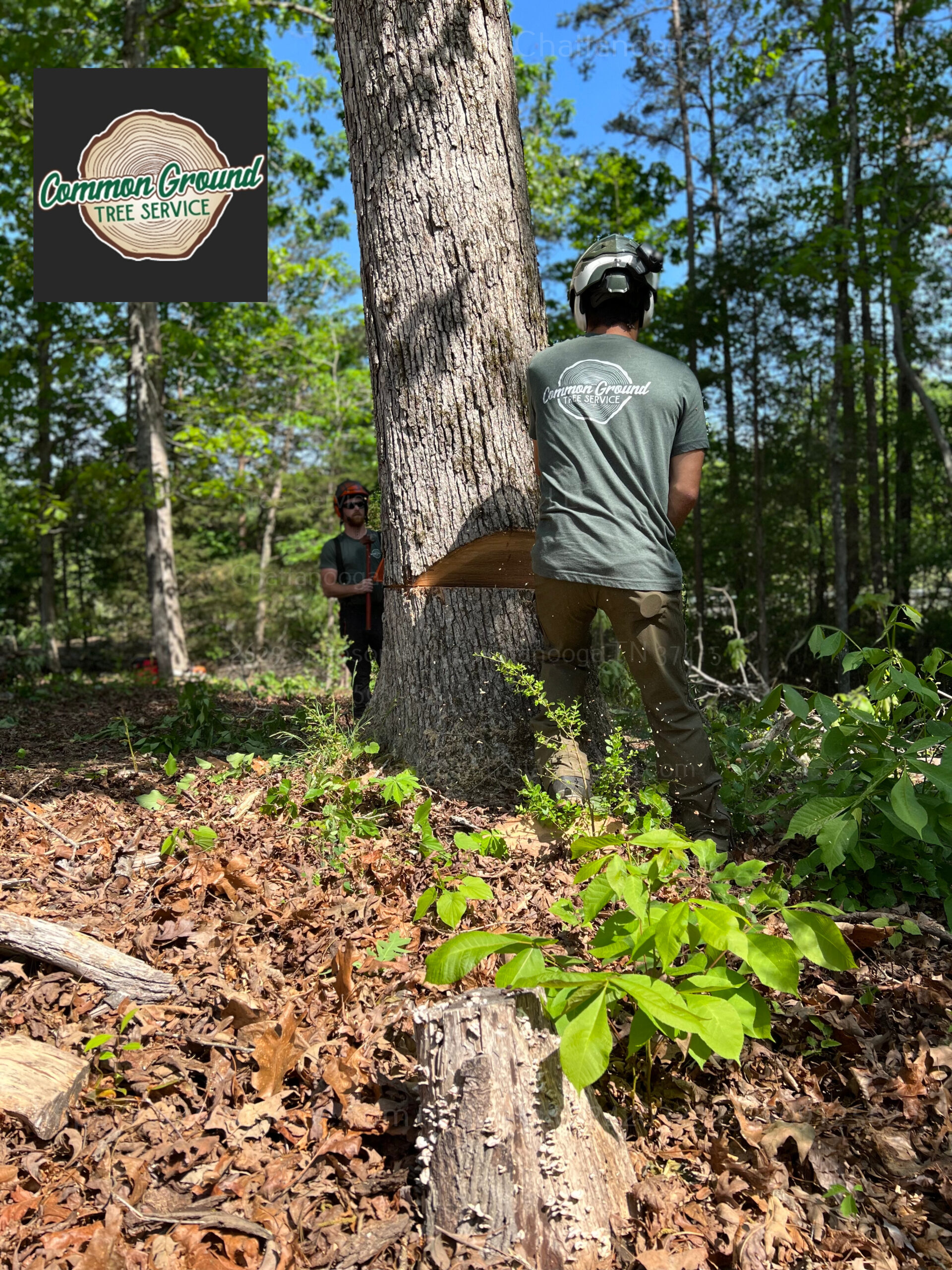
Common Ground Tree Service can help with Tree Removal by providing experienced and skilled professionals who specialize in tree care, safe and efficient tree removal services, and the necessary equipment and techniques to ensure the job is done right in Chattanooga, TN.